UAL 2 Final Project Evaluation/Retrospective

Editing within a short timeframe became a crash course in time management but was an absolute blast!

Overly embarking on my journey as a complete novice to premier pro I found myself drawn to the realm of video art over the course of the final project. Eager to try and express my creative vision through moving images, I undertook the challenge of editing a small video art piece within a tight deadline of just one week after weeks of research & development. This is my reflection and evaluation on the joys, frustrations, and invaluable lessons learned during this eye opening experience, where the pressure of time was both a constraint and a catalyst for the creativity of the final piece.
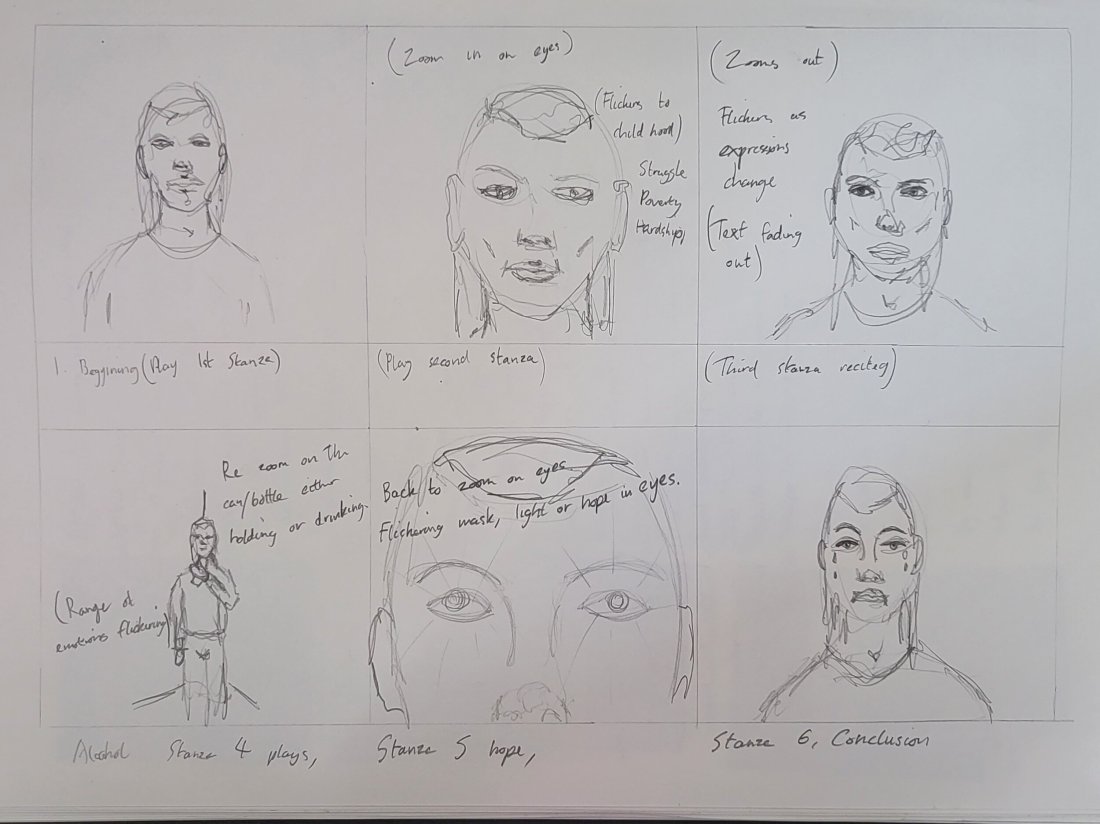
As I delved into the editing process, I quickly realized the significance of thorough pre-production, especially when time was limited. Planning and storyboarding allowed me to partially envision the final product and establish a semi clear direction for my project. It became essential to manage my time efficiently, setting realistic goals and establishing a focused workflow to maximize my productivity within the given time I had.
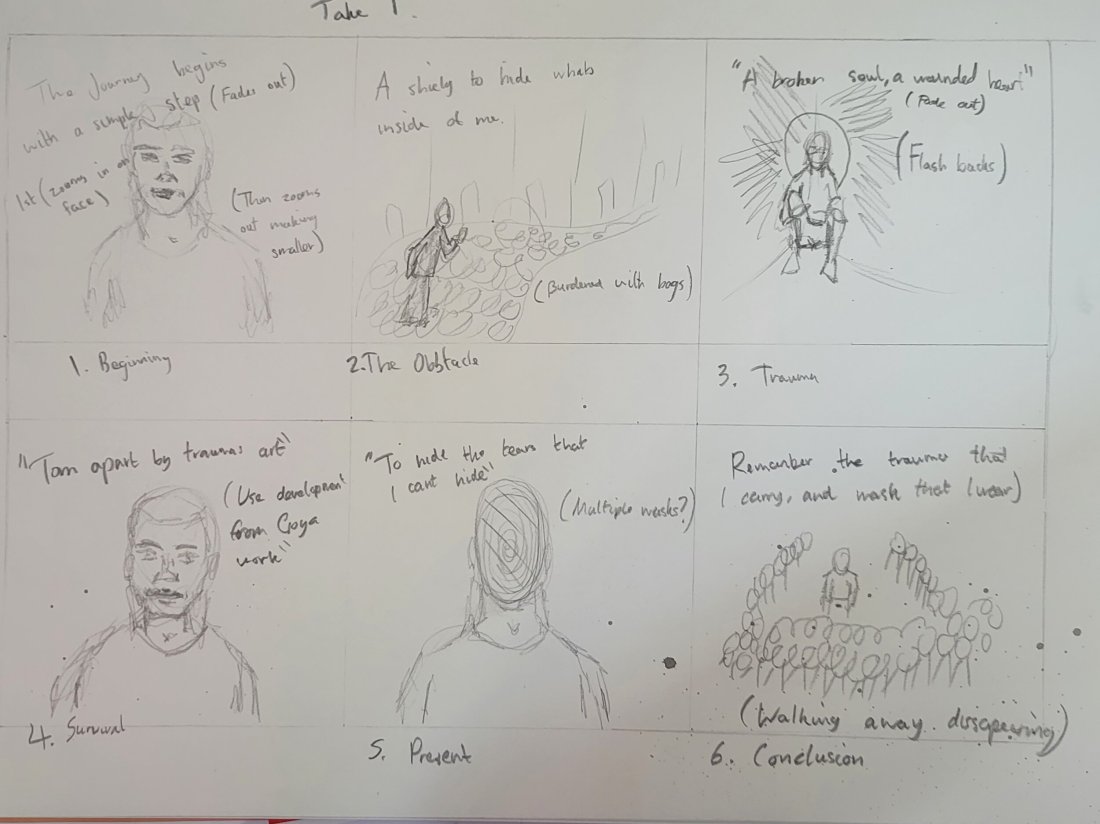
Editing within a week’s time demanded making decisive choices in the moment about the visual narrative. Each shot, cut, and transition had to be carefully considered to convey the intended message concisely. The time constraint pushed me to streamline the story, trimming the unnecessary elements and emphasizing the most impactful moments that i had shot to maintain viewer engagement.

While working within a tight deadline, the significance of the sound and music I selected became even more pronounced. The right audio elements added depth and emotion to the video piece. Troubleshooting efficiently and finding creative workarounds were essential to overcome these hurdles without compromising the quality of the final product.

With limited time, the luxury of extensive fancy editing and perfectionism had to be set aside. I had to strike a balance between striving for excellence and accepting that perfection was not always attainable within the given time with such little knowledge. Learning to prioritize tasks became crucial, ensuring that critical aspects, such as storytelling and audio, received the necessary attention while managing time effectively.

During this time-constrained journey, I recognized the immense value of collaboration. Seeking timely feedback from tutors and my peers helped me refine my short videos vision and make informed decisions more efficiently. It also emphasized the need for effective time management to ensure collaboration could be incorporated into the editing process without causing delays.

Finally, after navigating the struggles of keyframing and limitations of editing within one week, completing the video art piece brought a profound sense of accomplishment it was like I had relieved myself for the first time in months. The experience taught me the invaluable lessons of time management, prioritization, adaptability, and finding creative solutions under pressure. While the journey was challenging, the satisfaction of meeting my deadline (not the hand in deadline, damn impacted wisdom tooth!) and witnessing the final result made every obstacle worthwhile.

Editing a small video art piece within a week’s time was a transformative experience that tested my skills and resilience as a novice to the technologyof editing. It required efficient time management, streamlined storytelling, and the ability to prioritize tasks effectively. The time constraint served as both a constraint and a basis for creativity, pushing me to make decisive choices and find innovative solutions to technical challenges. Ultimately, this serves as a reminder of the invaluable lessons learned and the joy of completing a creative endeavor within a limited timeframe.
UAL 2 Research & Development Collage Week 3-5

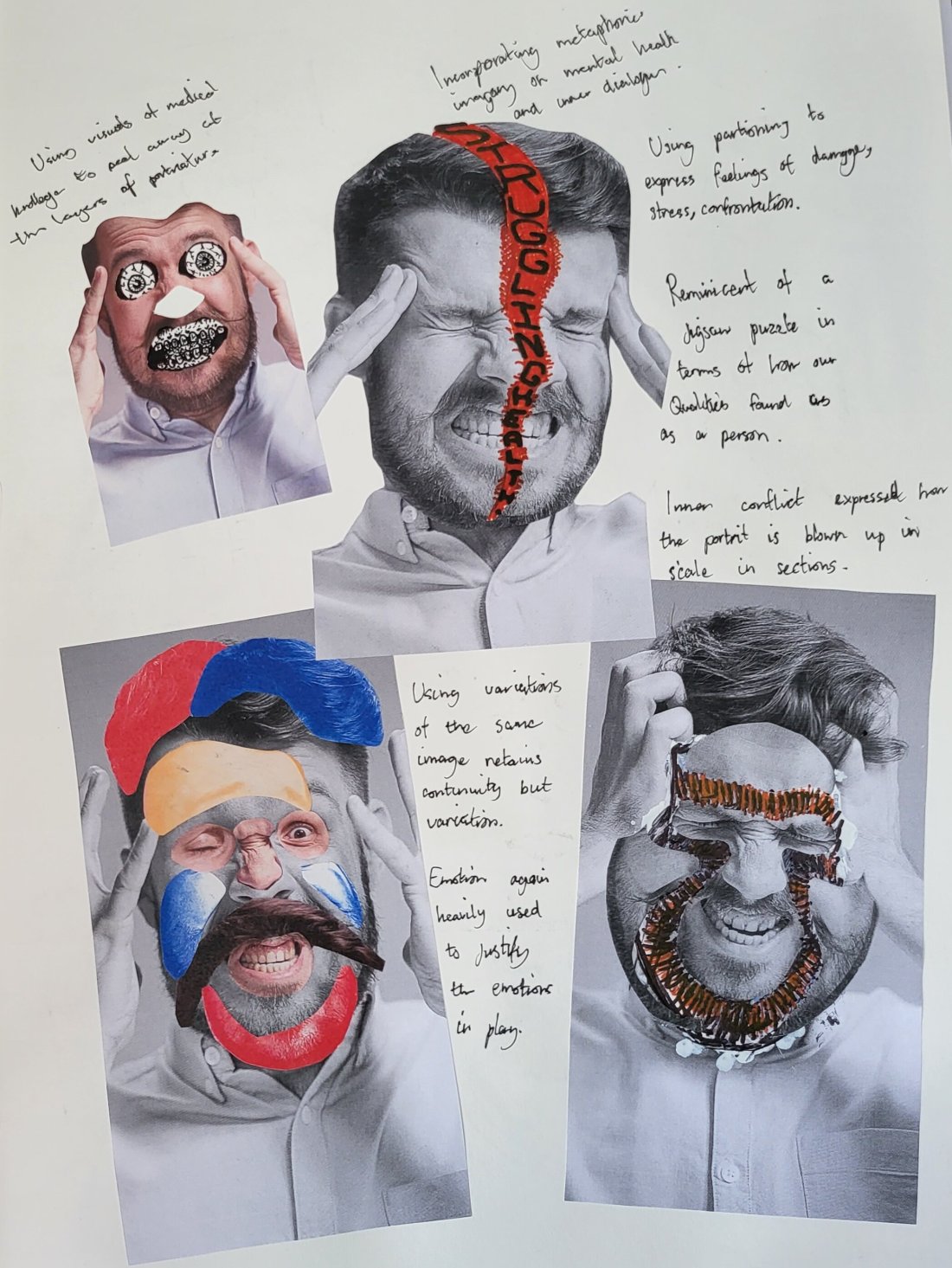
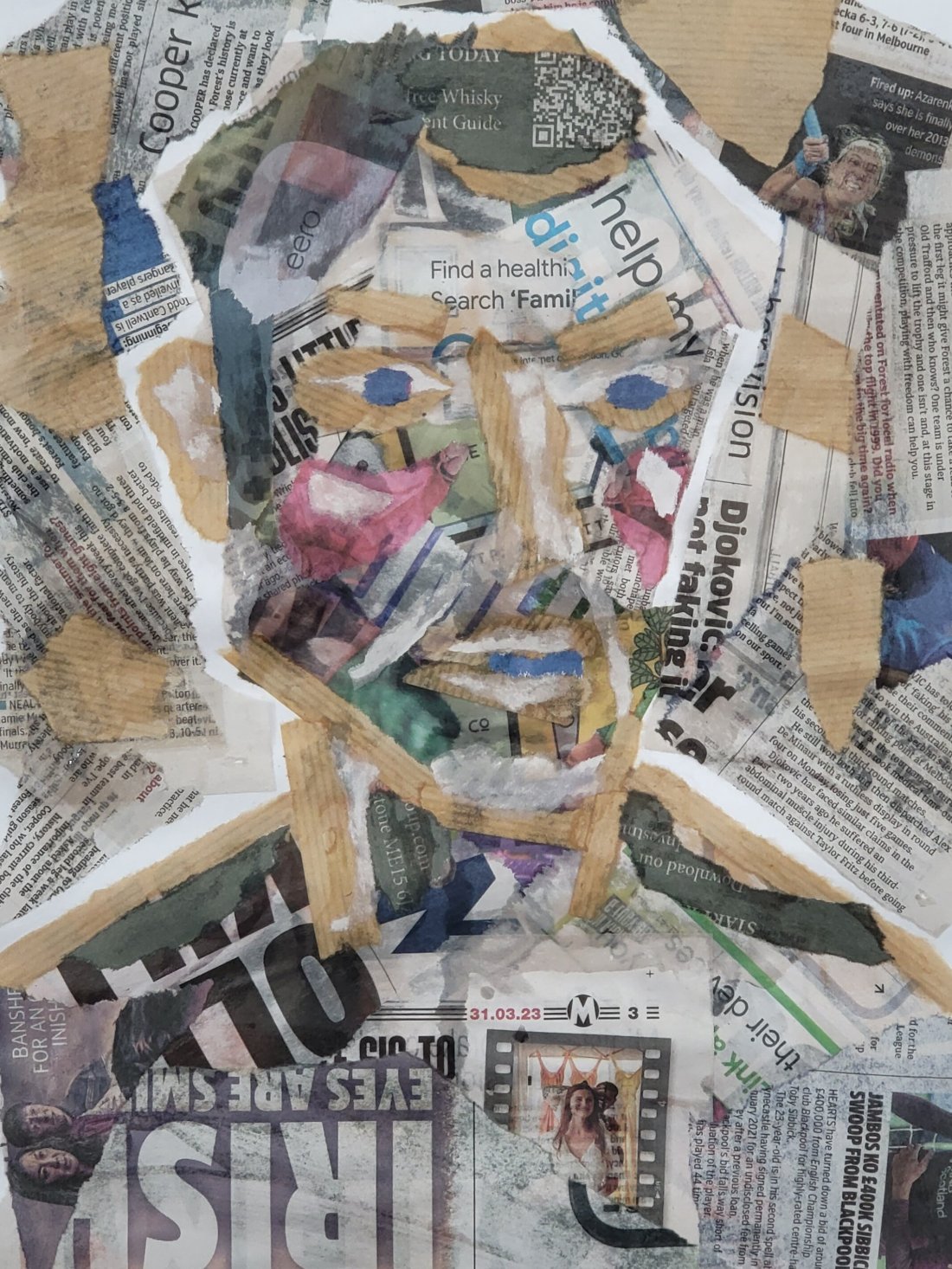
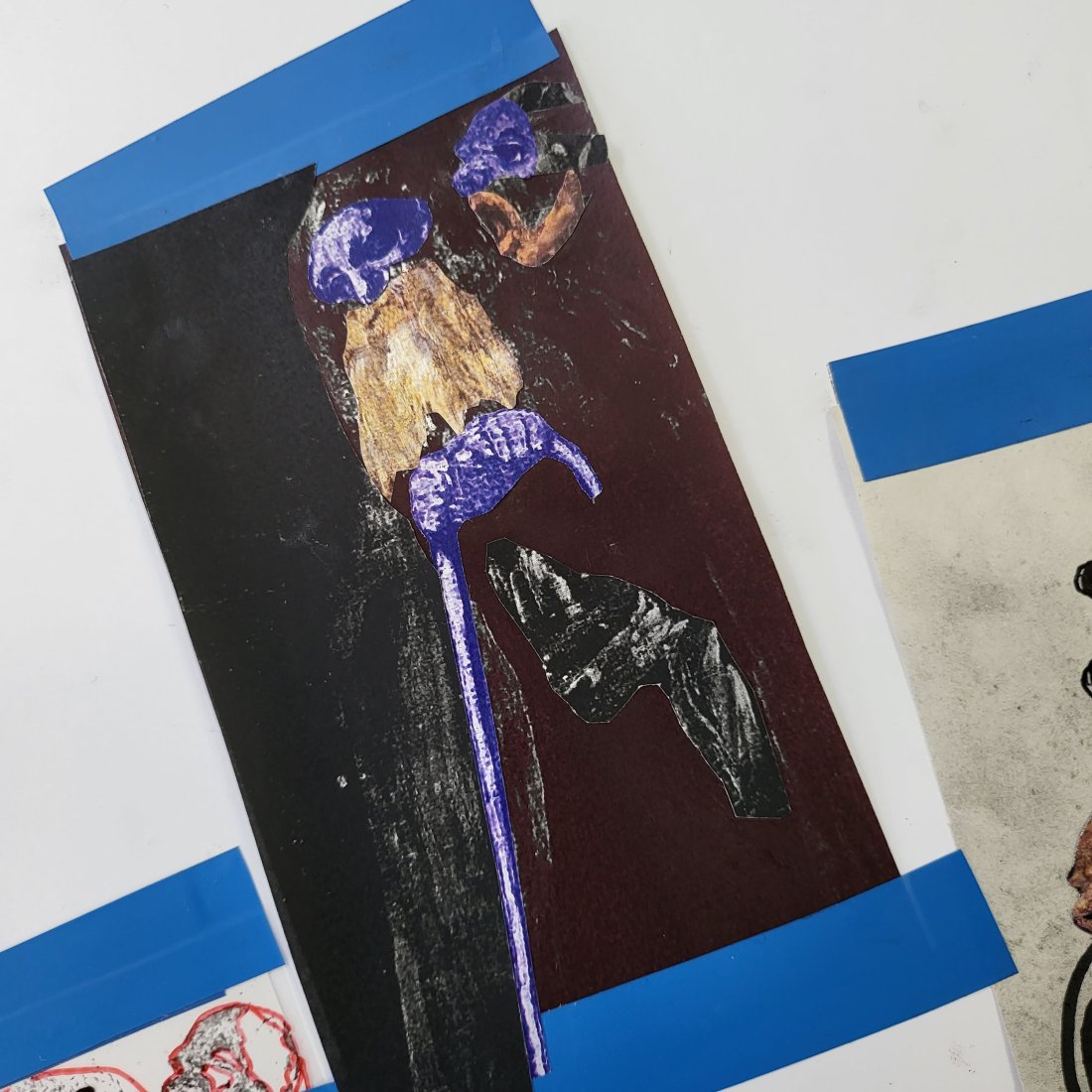
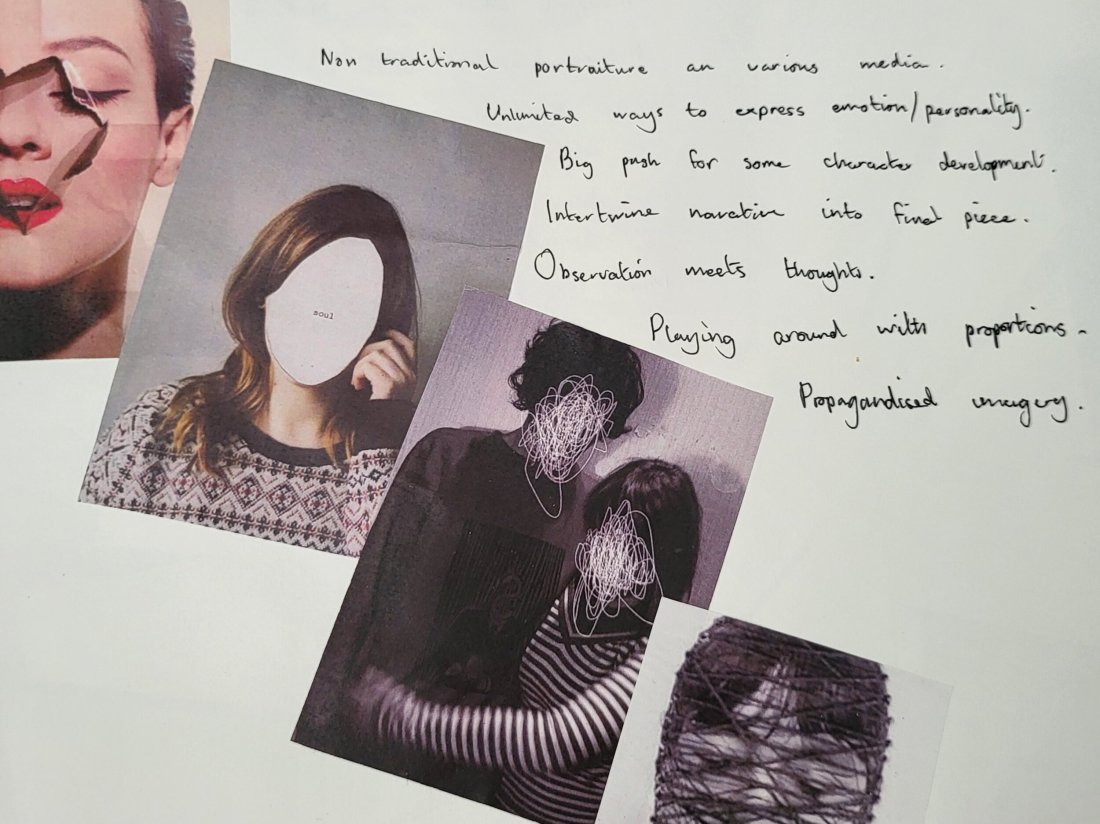
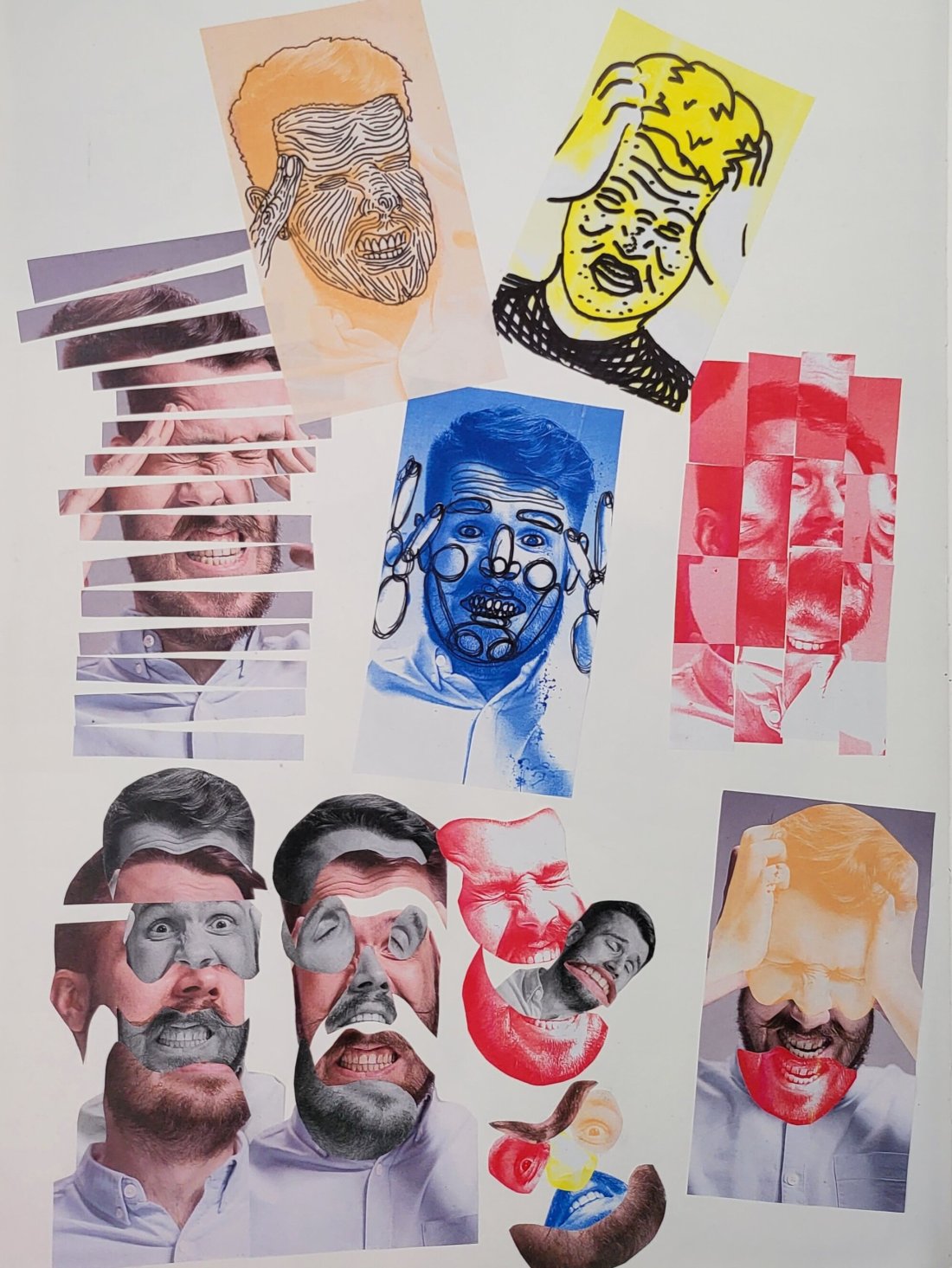
I feel im repeating myself again but art has always served as a powerful medium for self-expression and escapism, enabling artists to convey emotions, experiences, and narratives that might be difficult to communicate through words alone. One fascinating approach I’ve discovered over the past year is contemporary artists use collage to explore and reveal various forms of trauma through portraiture. Collage allows artists to deconstruct and reconstruct images, combining elements to create a visual language that exposes the complexities of trauma.

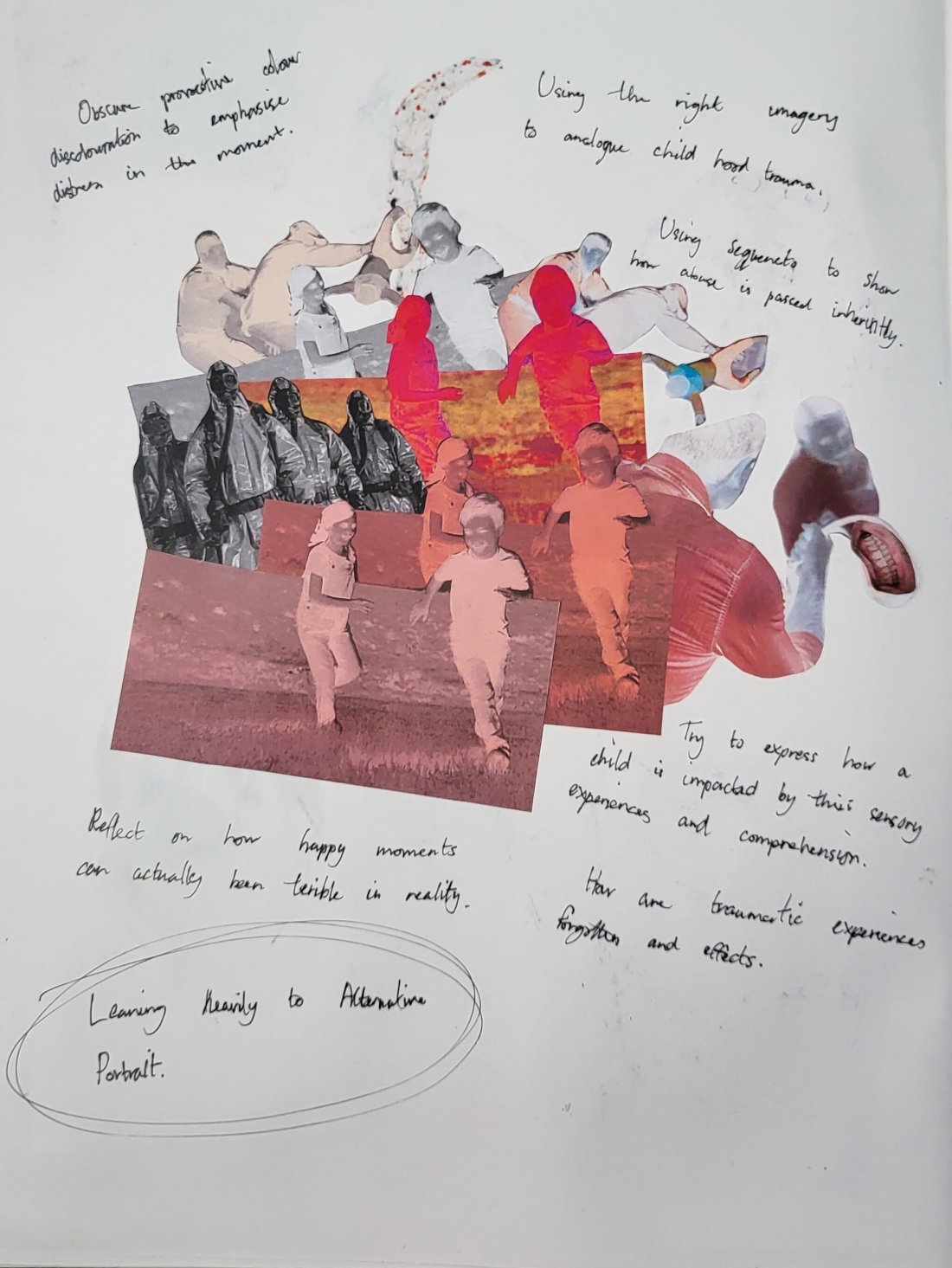
Trauma is a deeply personal and complex experience and something that has fascinated me for some time as it often leaves lasting imprints on an individual’s personality and well-being. It can be the result of various life events such as violence, war, loss, abuse, or just as simple as personal struggle. Trauma seems to manifest in different forms, including physical, emotional, and psychological. Its impact can be far-reaching, affecting not only the individual but also their relationships, identity, and overall worldview.

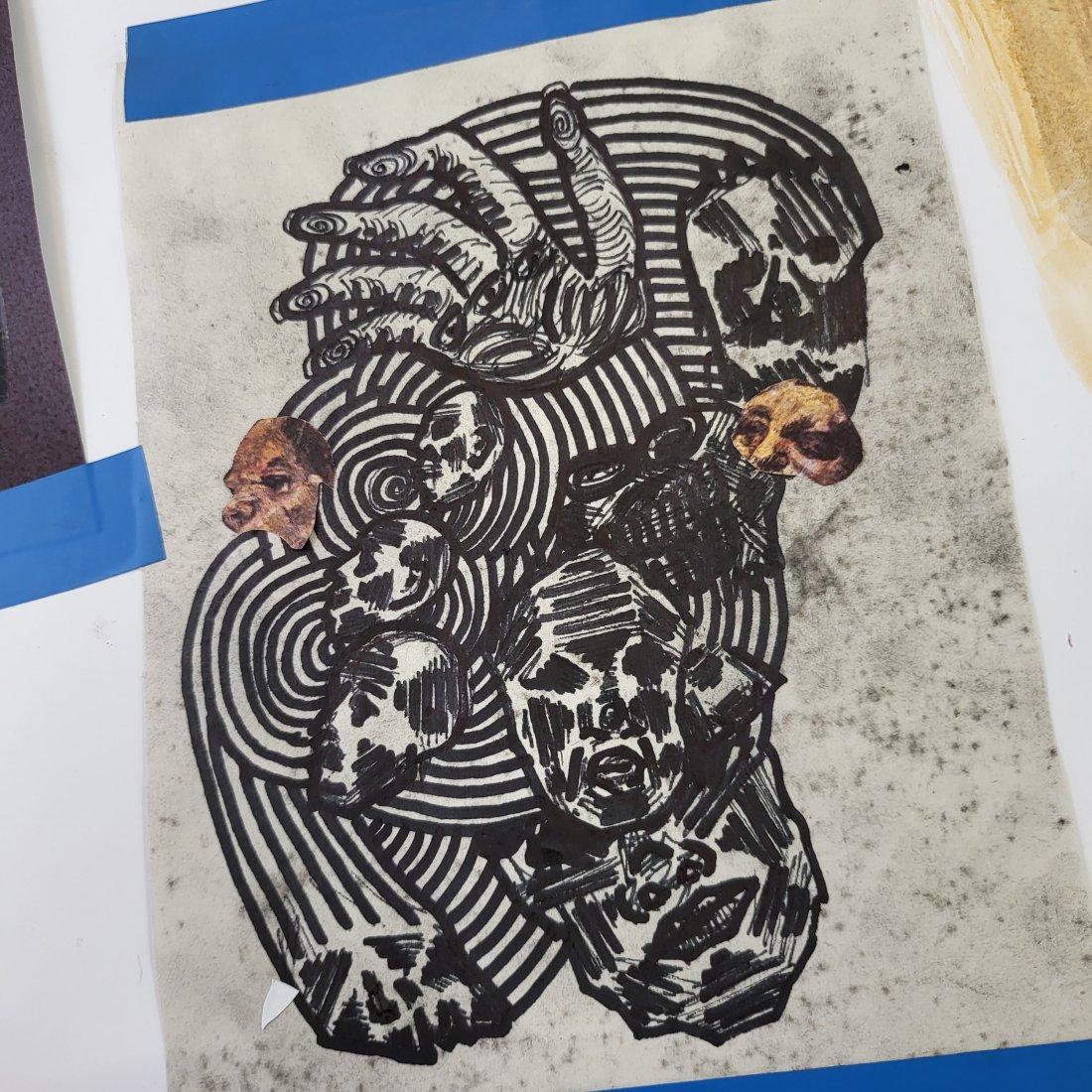
Collage, as an artistic technique, involves the assembly of diverse materials, such as photographs, newspaper clippings, fabric, and found objects, to create a unified composition which has been by far the best experience ive had exploringmore of over the past year. By layering these elements I can construct the visual narrative that evokes deeper meanings and emotions. Collage allowed for the fragmentation and reconstruction of my collated images, reflecting the fragmented nature of traumatic experiences.

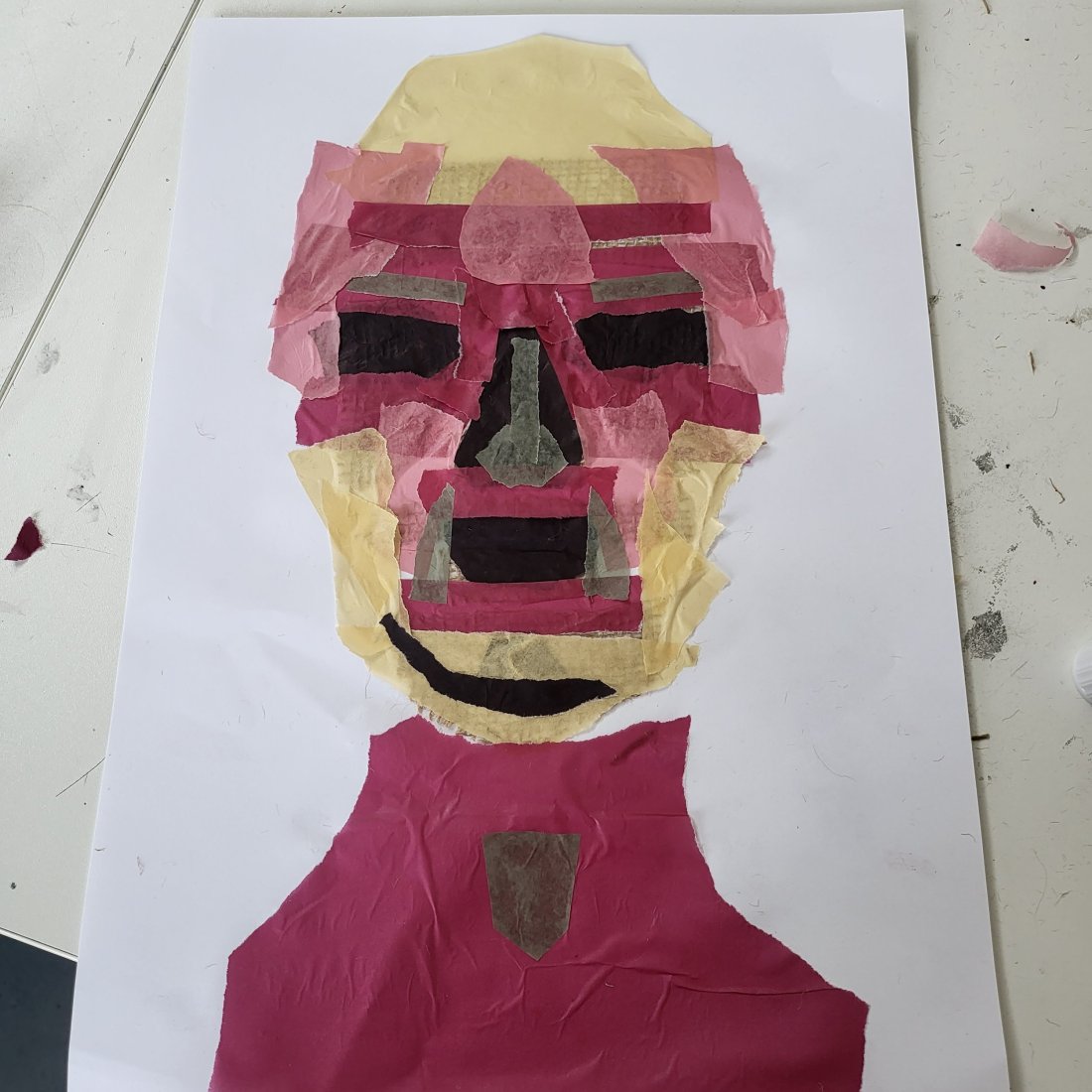
Portraits have long been a favored subject in art and im warmi g up to it myself, capturing the essence of individuals and their stories. When combined with collage, portraits gain a new dimension no matter how simple they may be, enabling me to explore the multifaceted nature of trauma. By merging different visual elements I try to convey the disintegration and reintegration of personal identity in the aftermath of traumatic events.

Collage techniques, such as tearing, cutting, and overlapping images, provide a visual representation of the fragmentation experienced by those affected by trauma. This process mirrors the way trauma disrupts the narrative of one’s life, shattering a sense of coherence and creating a fragmented sense of self. It really does amaze me with the deliberate selection and arrangement of images artists can depict the complexities of trauma and its lasting effects.

My collage developments really allowed  the incorporation of symbolic elements that can represent specific traumas or emotions. By integrating objects, symbols, or text associated with traumatic experiences, artists can establish a visual language that resonates with viewers and elicits empathy and understanding.

Experimenting with collage as a medium for revealing forms of trauma through portraits is a powerful artistic practice that helps novice artists like myself to express and explore the complexities of traumatic experiences. Through the process of deconstruction and reconstruction, collage captures the fragmented nature of trauma and its lasting impact on personal identity. By engaging viewers in a visceral and emotive manner and one hopes offer a platform for healing and resilience in the face of trauma.

UAL 2 Research & Development Primary Portrait Research Week 3-5

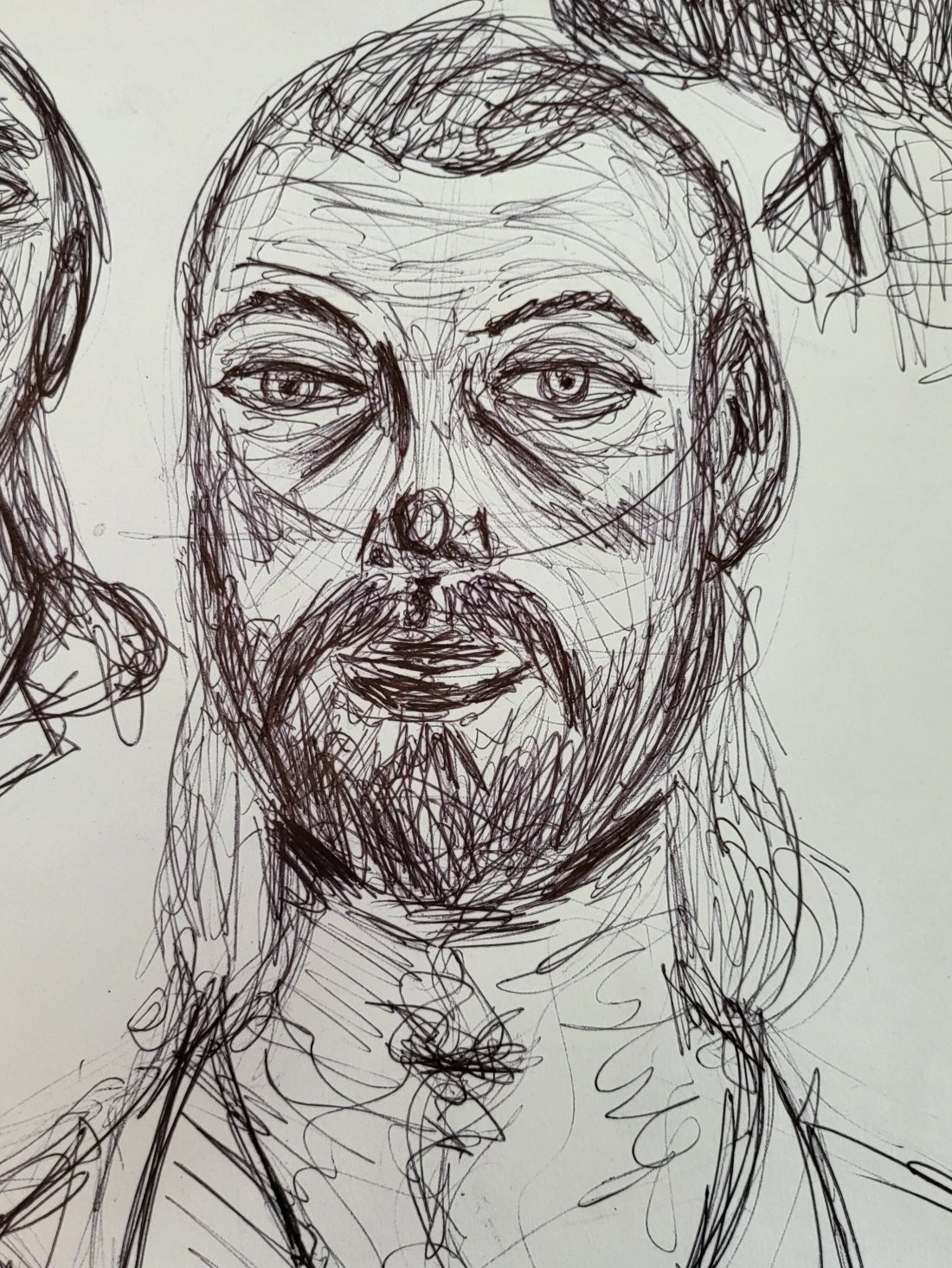
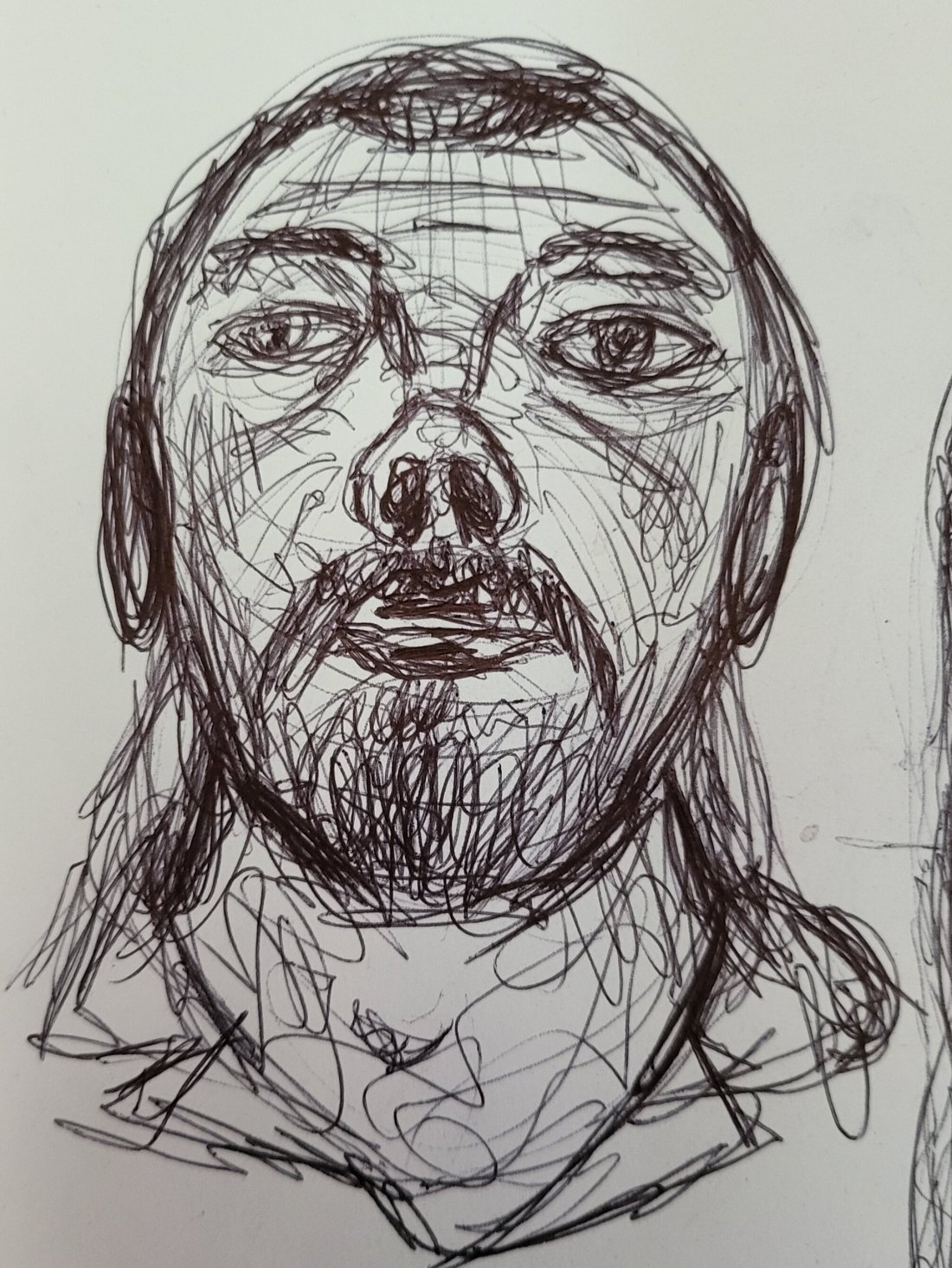
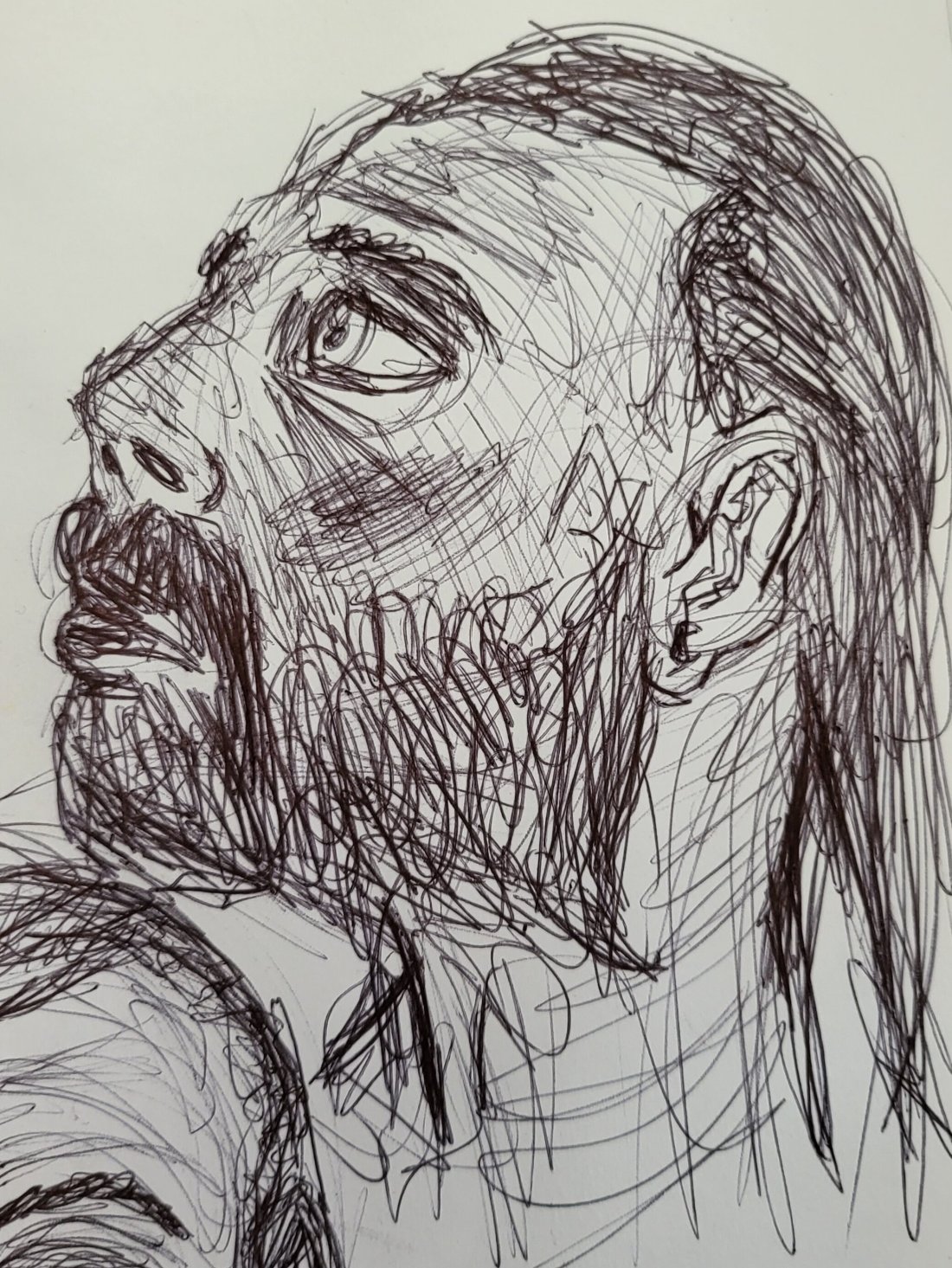
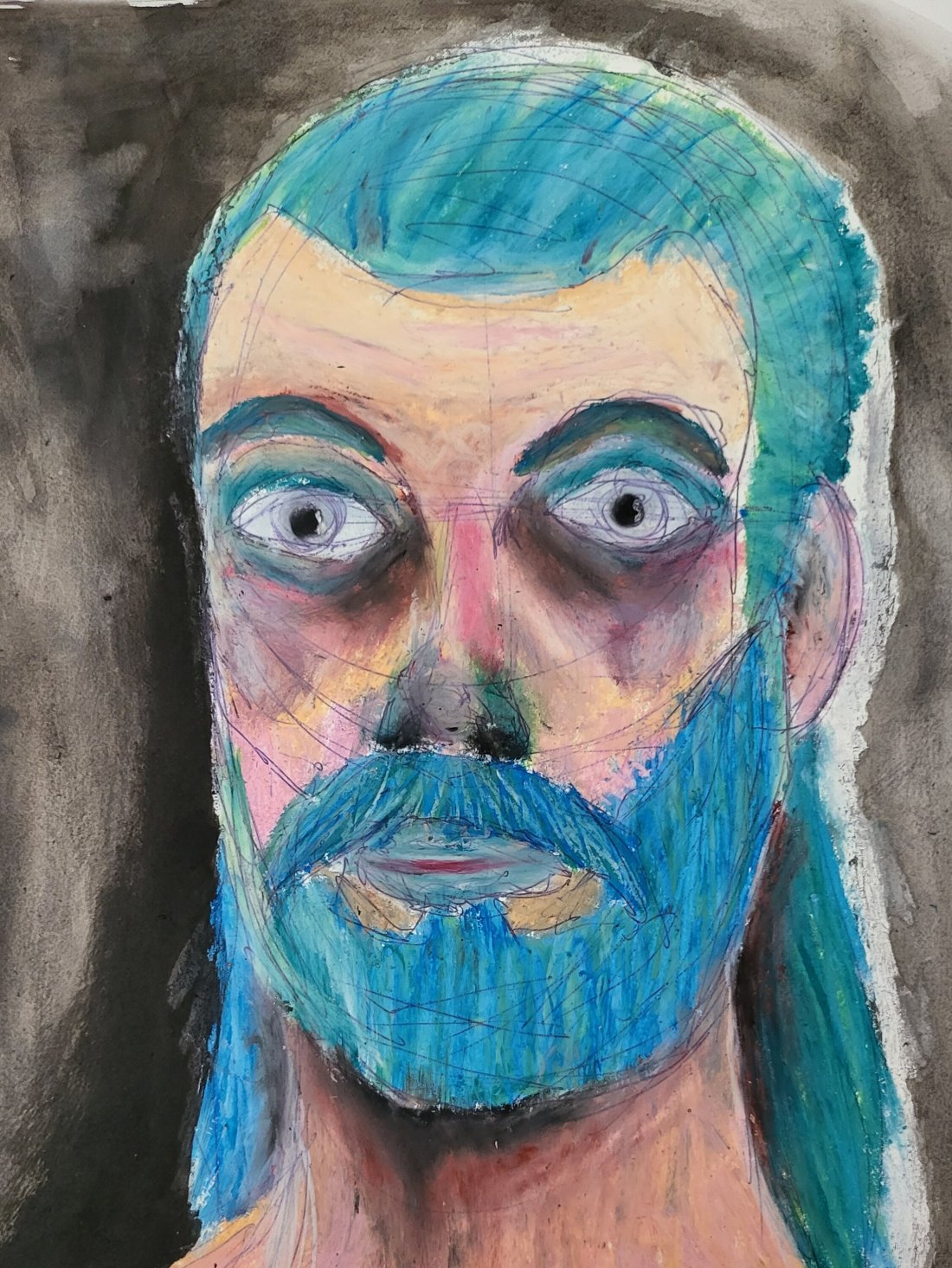
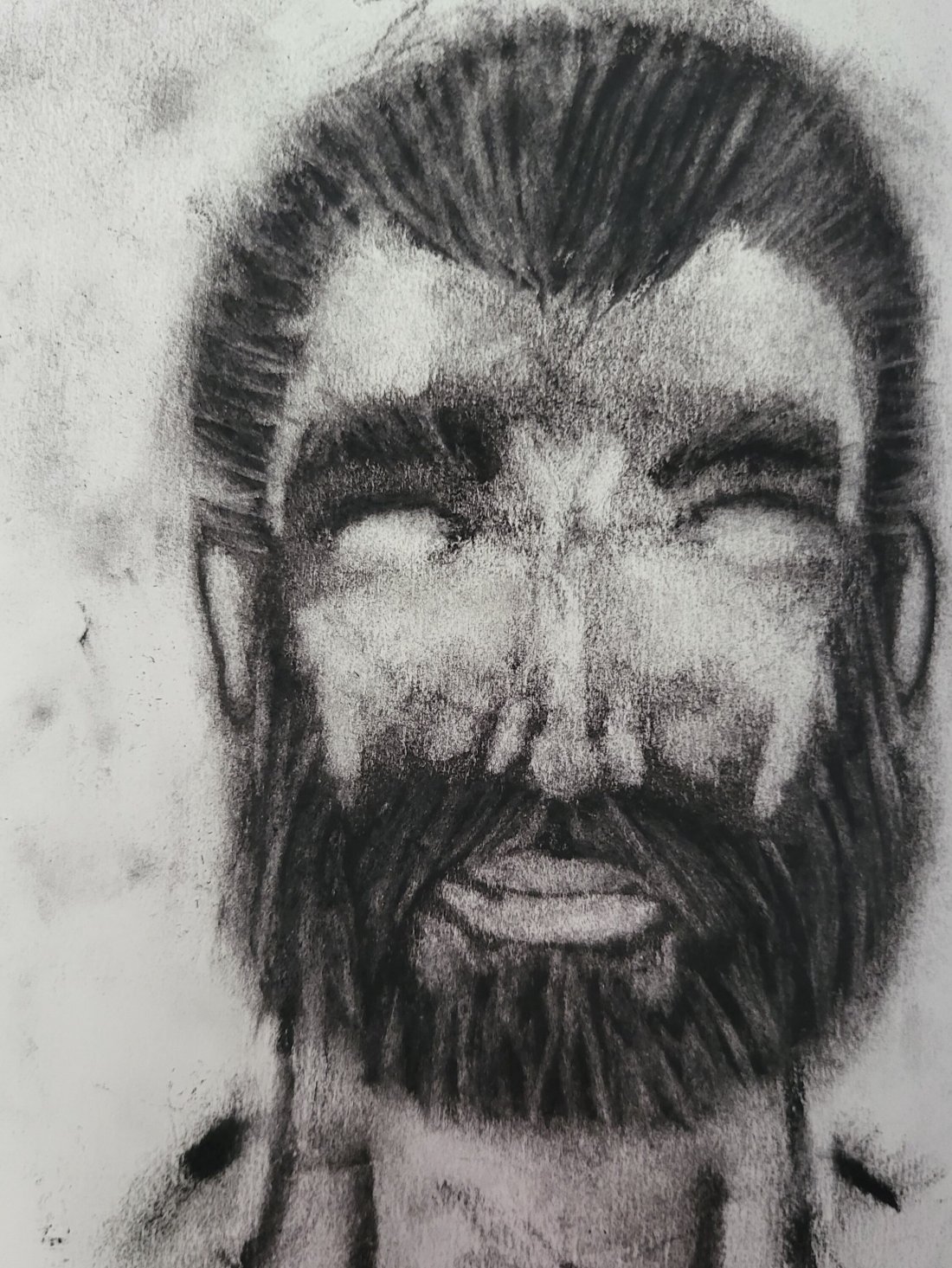
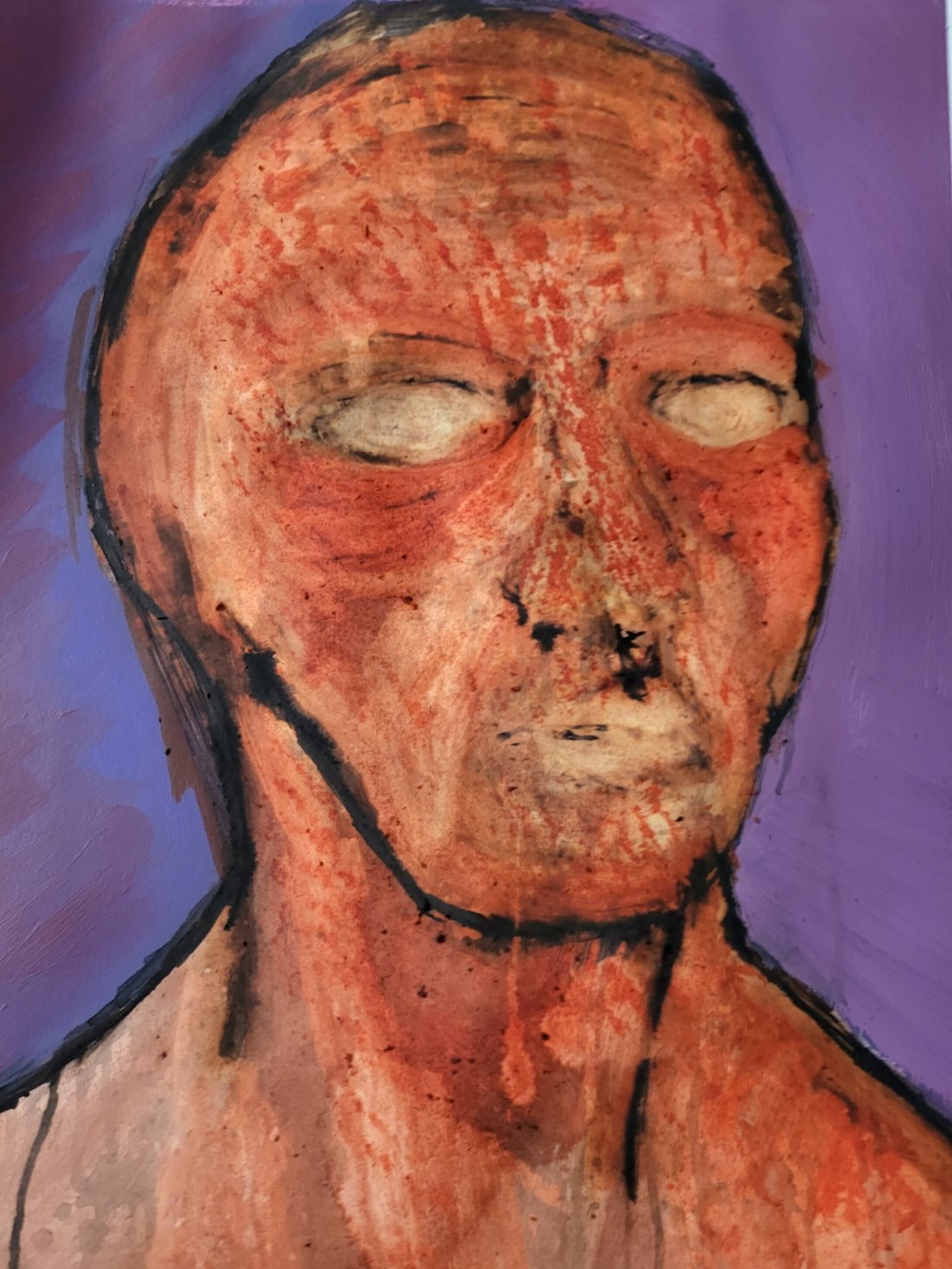
My primary research on self portraiture drawings and experiments involves directly observing and studying on how I see myself through my artistic expression. This method really did offer distinct advantages over working from photographs or secondhand references. By observing myself and surroundings firsthand, I feel I captured subtle nuances in facial expression, body language, and how the light and shadow that may go unnoticed. This close interaction provided me a deeper understanding of my personality and enabled me to convey a more authentic representation of how I feel I see myself.

Engaging with myself internally during the portrait drawing process added unease and created a unique dynamic that adds to the physical appearance. As I spent time with myself drawing, thoughts unfolded bouncing in the old noggin internally, giving myself a sense of anxiousness and disconnection. This gave me the outcome to delve beyond the surface and depict not only the physical likeness but also the inner side and emotional state at the time. The relationship between meyself and the artist I am becoming is a somewhat collaborative exchange but with self portraiture its a personal introspective time, influencing the final artwork and enriching its narrative.
Portraiture drawing offers me the artist an opportunity to delve into the essence of human expression. Through primary research, exploration of a subject’s individuality, capturing unique features, personality traits, and emotions all in that time frame trying to observe and interpret the subject’s gestures, expressions, and even the subtleties of a simple gaze, capturing the inner thoughts. These observations serve as the foundation for capturing the portrait with life and emalgamating it with a sense of authenticity.
While my primary research provided a solid foundation for capturing my likeness, it also presented me an opportunity for my personal artistic interpretation. I was able to experiment with various techniques and mediums to convey a somewhat personal vision and aesthetic.

The act of translating observation into drawing is something I struggle with but have become far more open to over the past year and has allowed me so much creative exploration, enabling to go beyond a mere replication of the physical reality that sits in front of me and infuse the art with my unique artistic voice.

Even though im closing into a more digital esque final project, In a digital age dominated by photos and digital art, the hand-drawn portrait really has a distinct calling. It conveys the artist’s touch, individuality, and dedication. The subtle variations in all artists work evoke a sense of intimacy and human connection. The imperfections inherent in hand drawn portraits add depth and character to the artwork, capturing the essence of the subject in a way that I feel digital reproductions loose.

My primary research in portraiture stands as a vital and enriching practice that goes beyond capturing a likeness. Through the direct observation and the artistic interpretation it has the power to breathe life into my drawing and hope to do more of in future. This approach allows for the exploration of the subject’s unique qualities, emotions, and individuality, resulting in a portrait that goes beyond a mere representation. The hand-drawn portrait is a testament to any artist’s skill, sensitivity, and ability to convey the depth and complexity of the human experience.

UAL 2 Reasearch & Development Stop-Motion Week 3-5

To begin the transformation from my painting to stop-motion, it was essential to understand and interpret my original artwork. Analyzing the composition, colors, textures, and overall mood of the painting was crucial for successfully translating its essence into a basic moving transition.

I like to think my painting tells a story, and this narrative must be retained and translated into the stop-motion transition I tried to develop onto. I had to identify the key transition I wanted the painting to capture and the essence of these elements as I wanted to emulate the sinking feeling we have at the moment one breaks down.

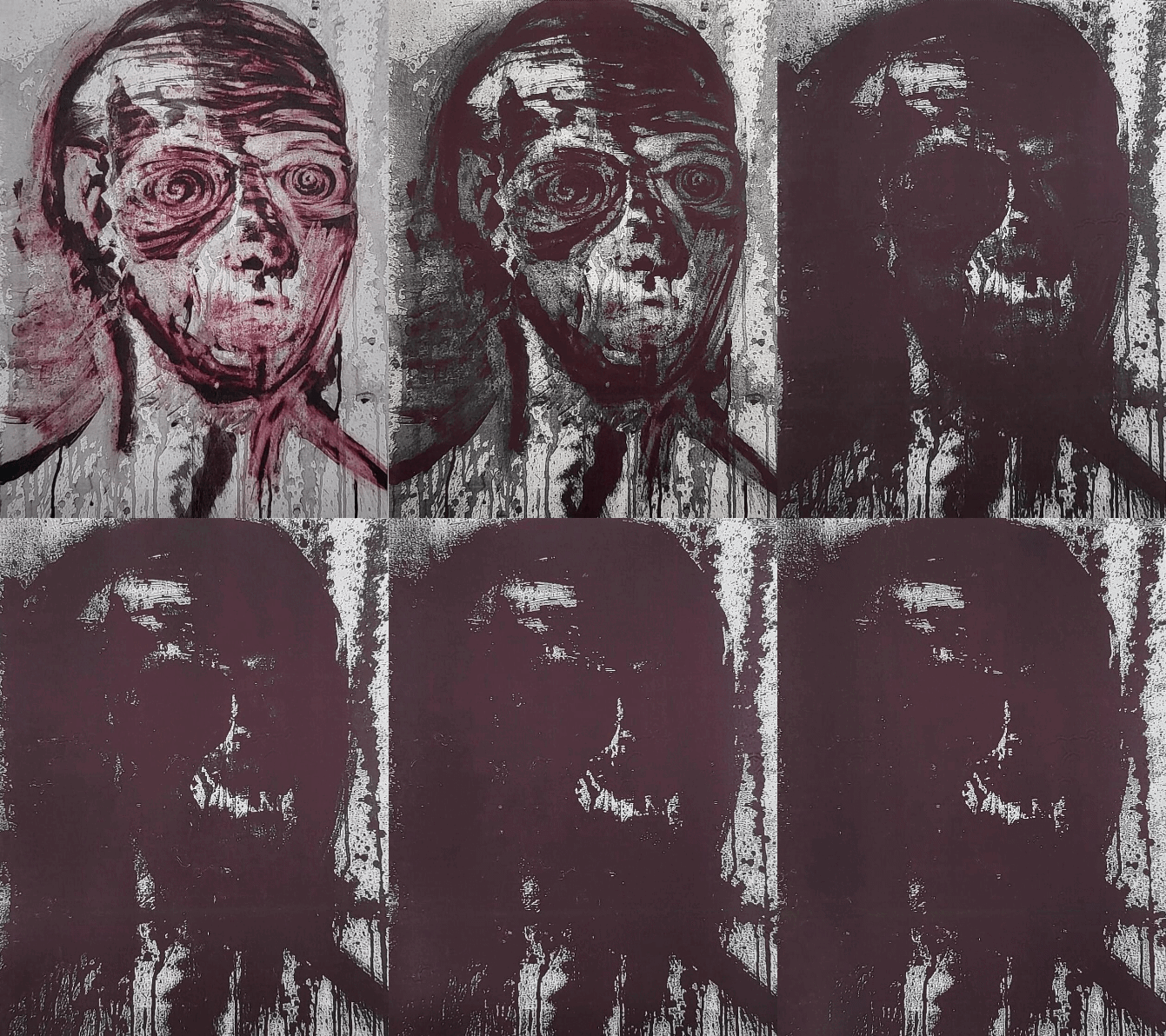
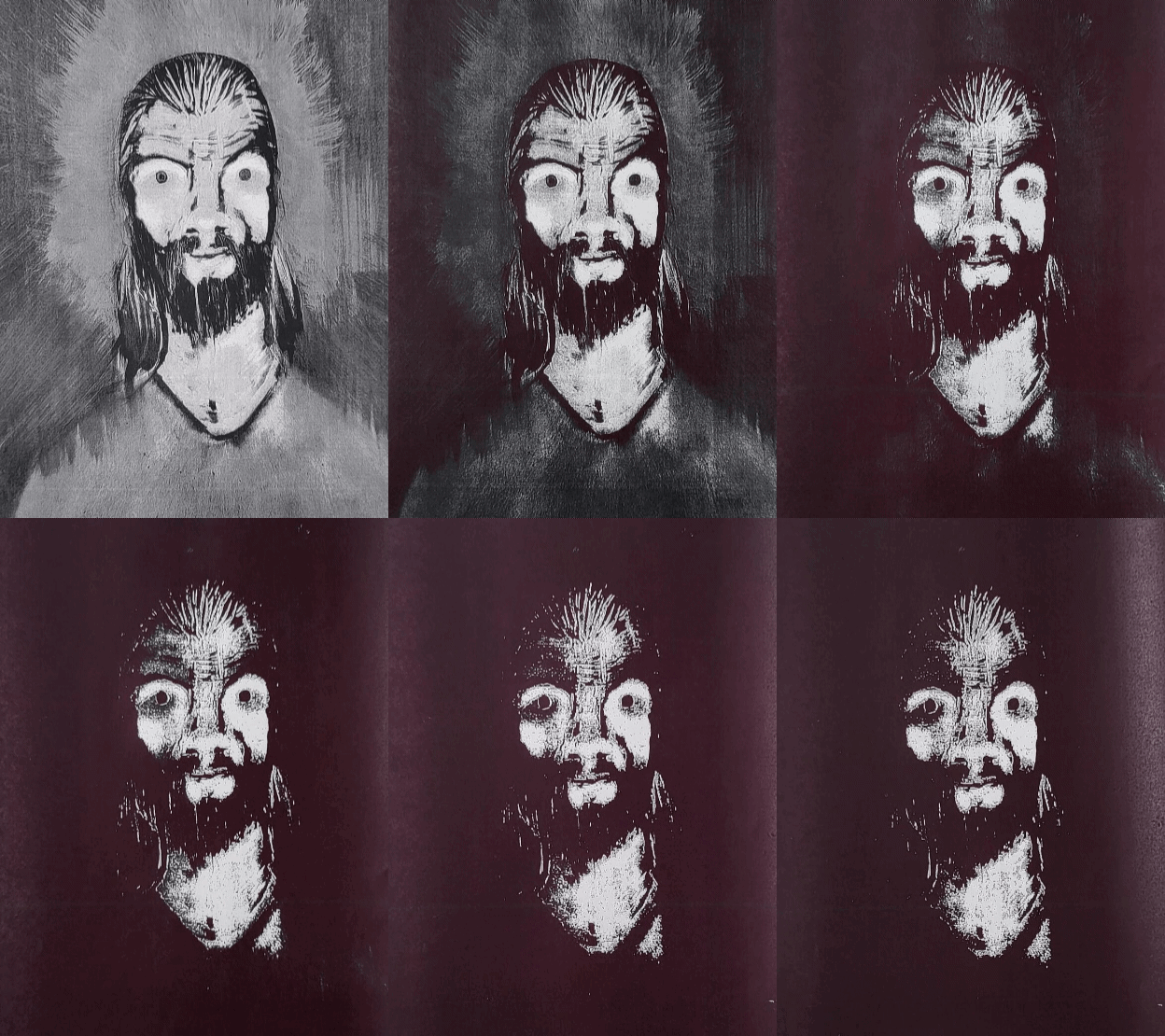
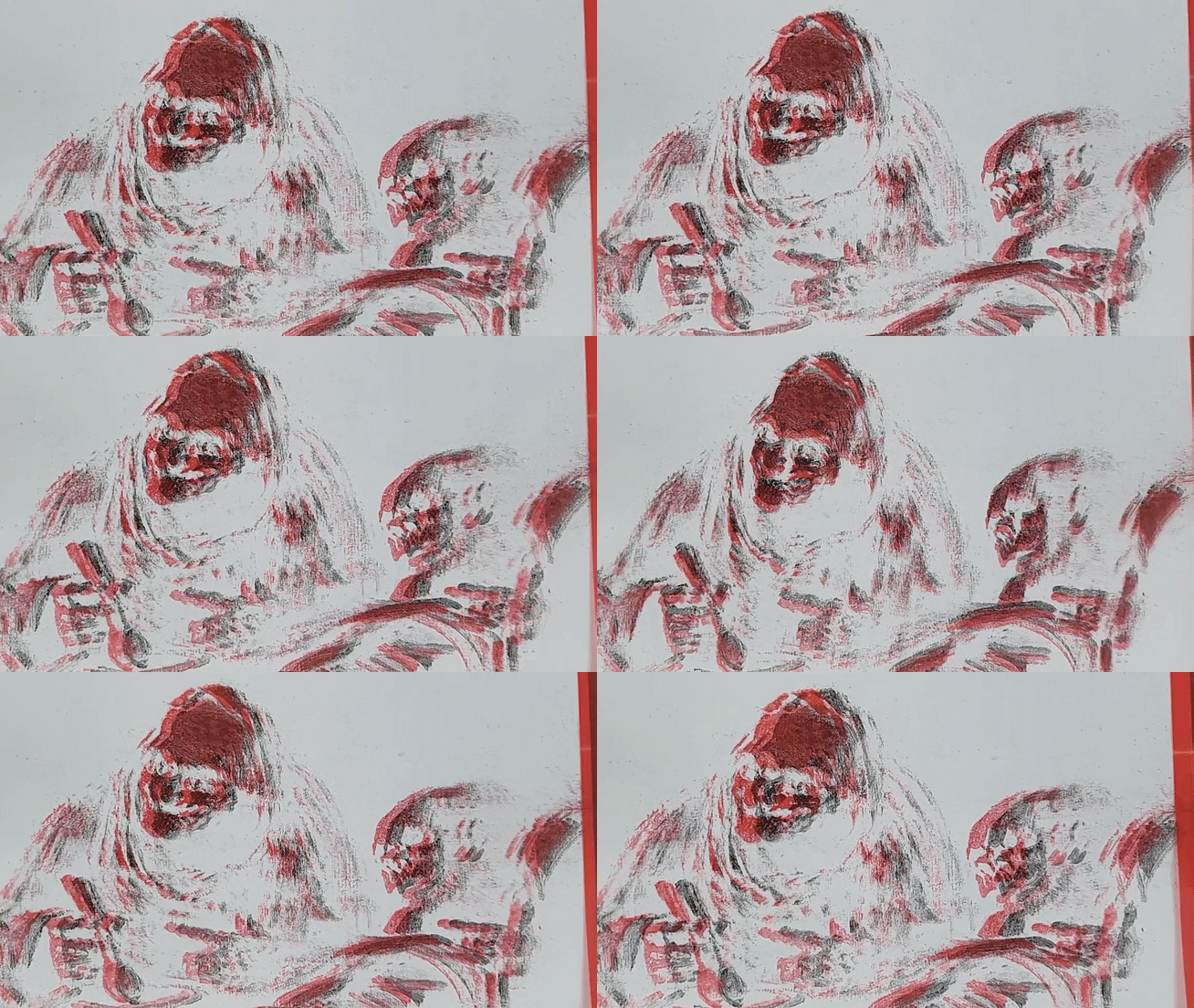
Stop-motion animation involved capturing a series of still images from which I retained from using merely the photocopier progressively darkening each after the next, each representing a frame, and subsequently playing them in rapid succession to create the illusion of movement through an app that makes gifs online. This technique lends itself well to the transformation of my paintings, as it preserves the overall visual qualities and stylistic choices of the original artwork. Every frame of the animation helped revert the brushstrokes, color palette, and composition of the painting, ensuring a connection between the two mediums.

To infuse the transition with a sense of progression into darkness, As i said I gradually altered the lighting conditions in each frame, darkening the overall images as the narrative unfolded in the darkness. Alternatively, the colors can shift, becoming more somber or saturated, reflecting the gradual descent into darkness.

Developing a copy of a painting into a progressively darkening stop-motion offered a unique artistic experience again as this is something i’ve never attempted previously. By transforming a static artwork into a dynamic and evolving narrative, I feel I’ve evoked a broad range of emotion in the viewer with rather simplicity landed to it. The gradual darkening of the animation can serve as a metaphor for the complexity of the human condition, the passage of time and the exploration of existential threat. Furthermore, this creative development blurs the boundaries between traditional art forms, inviting audiences to engage with art in new and captivating ways.

The process of transforming a copy of a painting into a stop-motion animation that progressively grows darker is a fascinating and multi-dimensional devolpment that leant me further and further into a video piece for my final project. Through careful interpretation, adaptation, and the skillful use of stop-motion techniques, the essence and narrative of the original artwork can be preserved while introducing a captivating sense of darkness and transformation. This fusion of mediums opens up new avenues for me expressionally, challenging myself to contemplate the dynamic light and dark, motion and stillness, and the boundless possibilities of interpretation.

UAL 2 Reasearch & Development Quink/Bleach Week 3-4

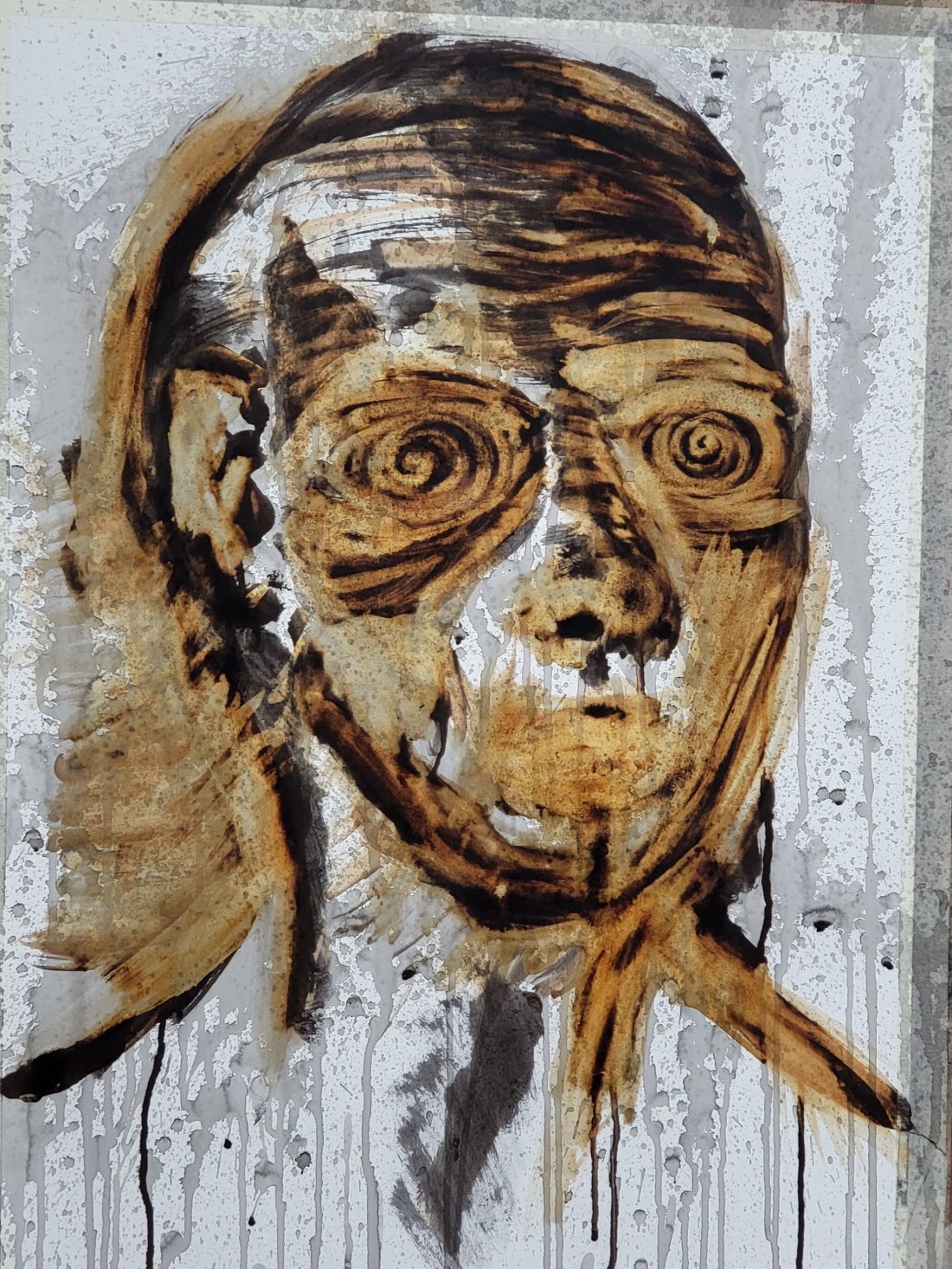
Experimentation in the last few weeks was essentially crucial as it allowed for the discovery of new techniques and the exploration of unconventional materials for myself. One such combination that offered a unique creative possibility was with quick ink painting combined with the transformative effect of bleach.

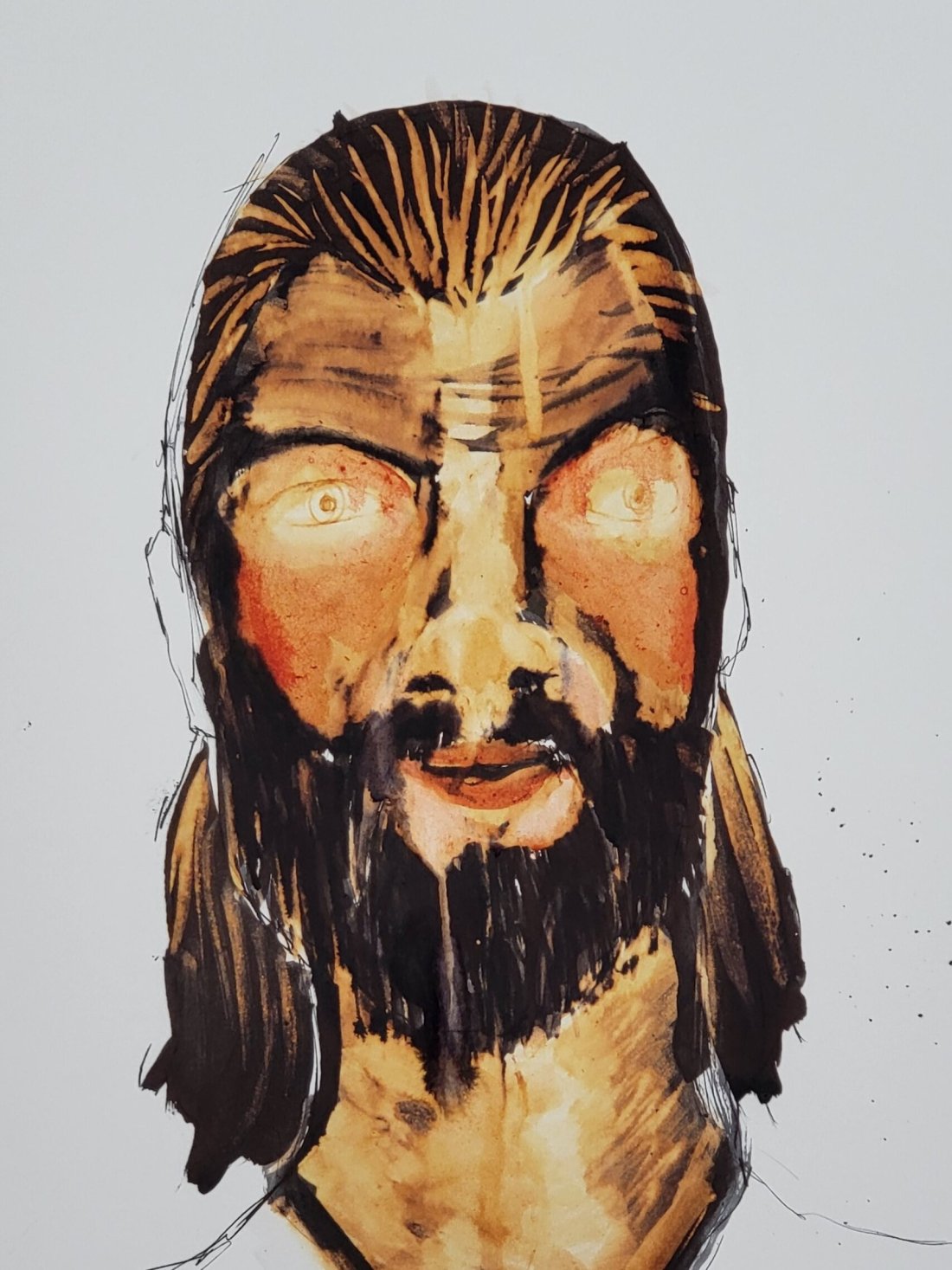
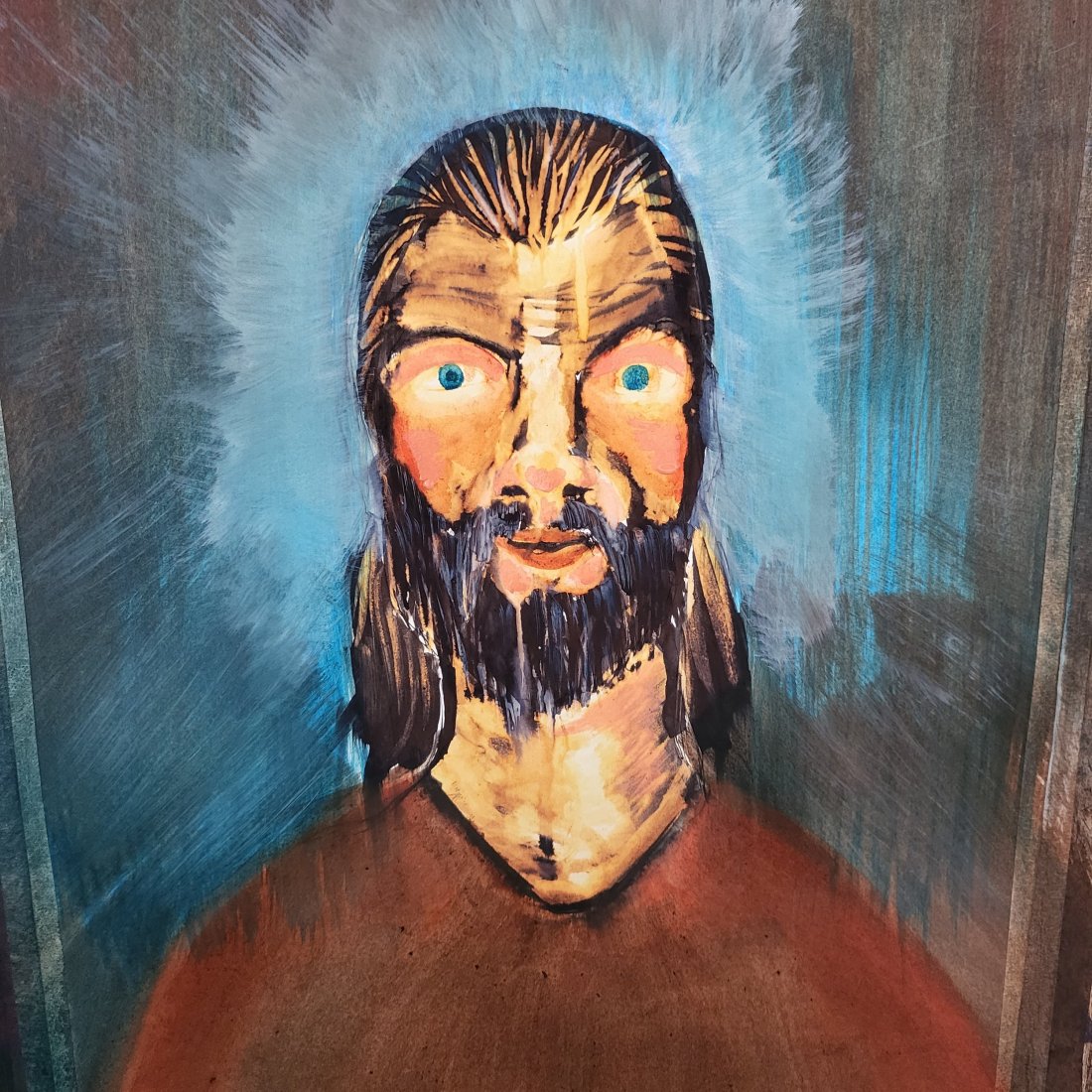
By delving into this experimental process, I unlocked a range of expressive potentials, achieving what I thought was captivating results through the interaction of ink and the bleach. This development aimed to explore the effects of painting in quick ink and the subsequent transformative power of bleach has not only a transformative effect but a revealing one.

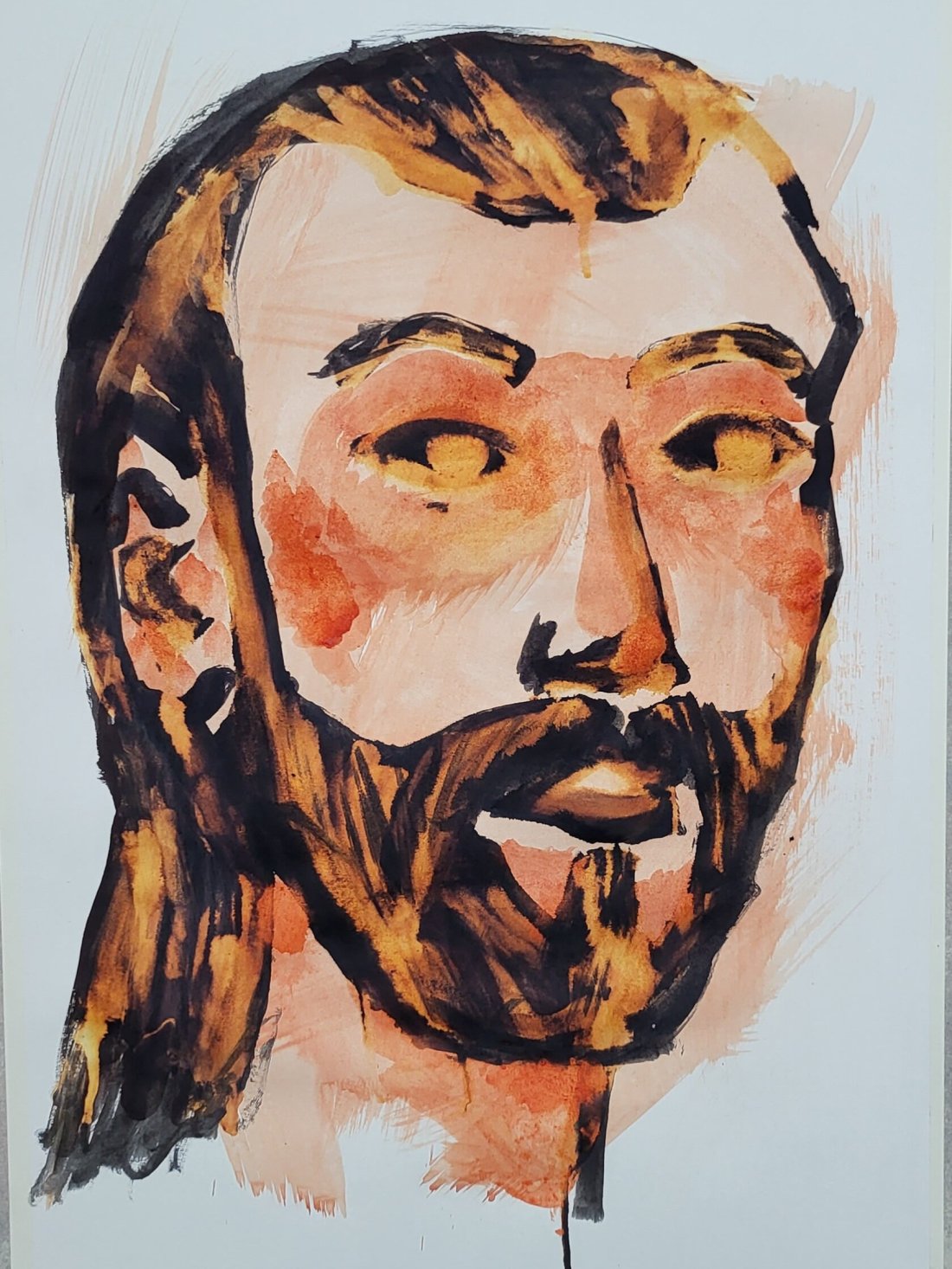
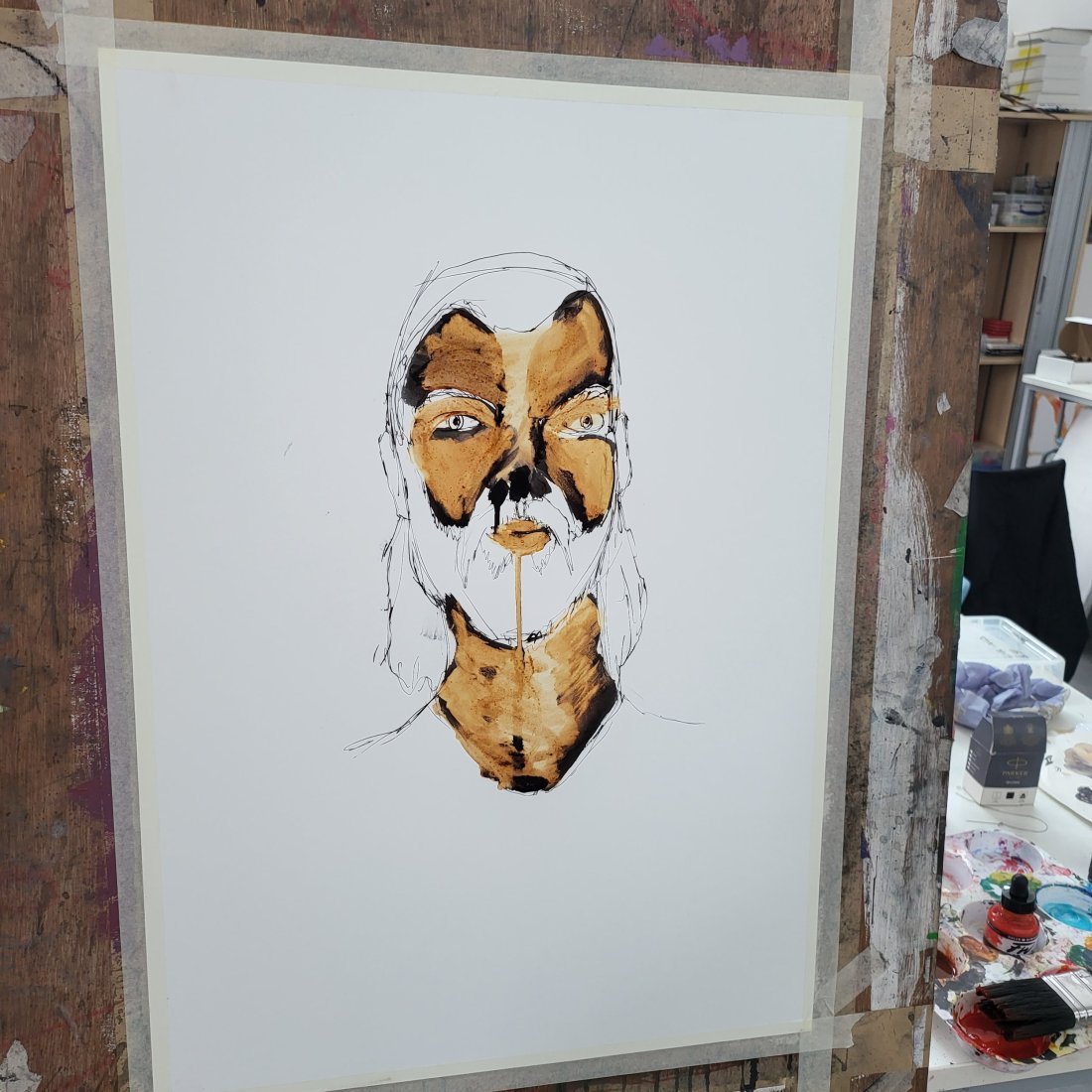
Quick ink painting involves using fluid ink with a fast-drying property, enabling to work swiftly and spontaneously which is one of my strengths and weaknesses also as I tend to work quickly.

This technique encouraged me even more to embrace the fluidity and expressive qualities of ink, allowing for the creation of dynamic brushwork on my portraits, gestural marks, and rapid exploration of ideas. The quick-drying nature of ink also provided an immediate response, enabling layers of black and the overall effect bleach gave to experiment with transparency and opacity.

When applied to quick ink, bleach acts as a transformative agent, altering the color and texture of the ink and creating unique visual effects. Bleach has the ability to lighten or remove pigment from the painted surface, revealing new dimensions and adding an element of unpredictability to the artistic process which really speaks to how traumaticexperiences can have an unpredictable effect on us and our overall personalitys.

The interaction between the bleach and ink opens doors to exciting possibilities, allowing exploratory contrasts, textures, and the positive and negative space.

Experimenting with the bleach on my quick ink paintings presented a range of techniques and effects tthat I had never put thought into exploring. One approach involved selectively applying bleach with brushes, droppers, and as a way of covering the piece a spray bottle to create controlled areas of lightening or complete removal of pigment. This technique was for the manipulation of values, the creation of atmospheric effects, and the suggestion of ethereal or ghostly forms.

Alternatively, we employ more spontaneous and gestural techniques, such as splattering or dripping bleach onto the surface, resulting in organic and unpredictable patterns. This method can evoke a sense of dynamism, capturing the essence of movement or even resembling natural phenomena like rain or splashing water which to be honest I found hard to emulate.

One of the intriguing aspects of experimenting with bleach and quick ink was the element of complete chance as the coulour shifted in a way I didn’t mean to but was an overall great outcome. The transformative nature of bleach can produce unexpected results, with great color variations, textures, and patterns emerging organically.

I really embraced these unintentional outcomes, allowing them to influence the direction of the work and it encouraged a more spontaneous and intuitive approach to the process. The effects often lead to exciting discoveries for me, providing fresh perspectives and prompting me to explore new creative avenues.

Experimenting with quick ink painting and the transformative power of bleach opened up a realm of creative possibilities. The spontaneous nature of quick ink painting allowed for expressive brushwork and gestural marks much like my Goya Developments, while the interaction of bleach with the ink introduces new dimensions, textures, and visual effects.

I deffinately am more open to embracing chance in the artistic process, allowing unintended outcomes to shape my work. By following safety precautions obviously!

UAL 2 Goya Development

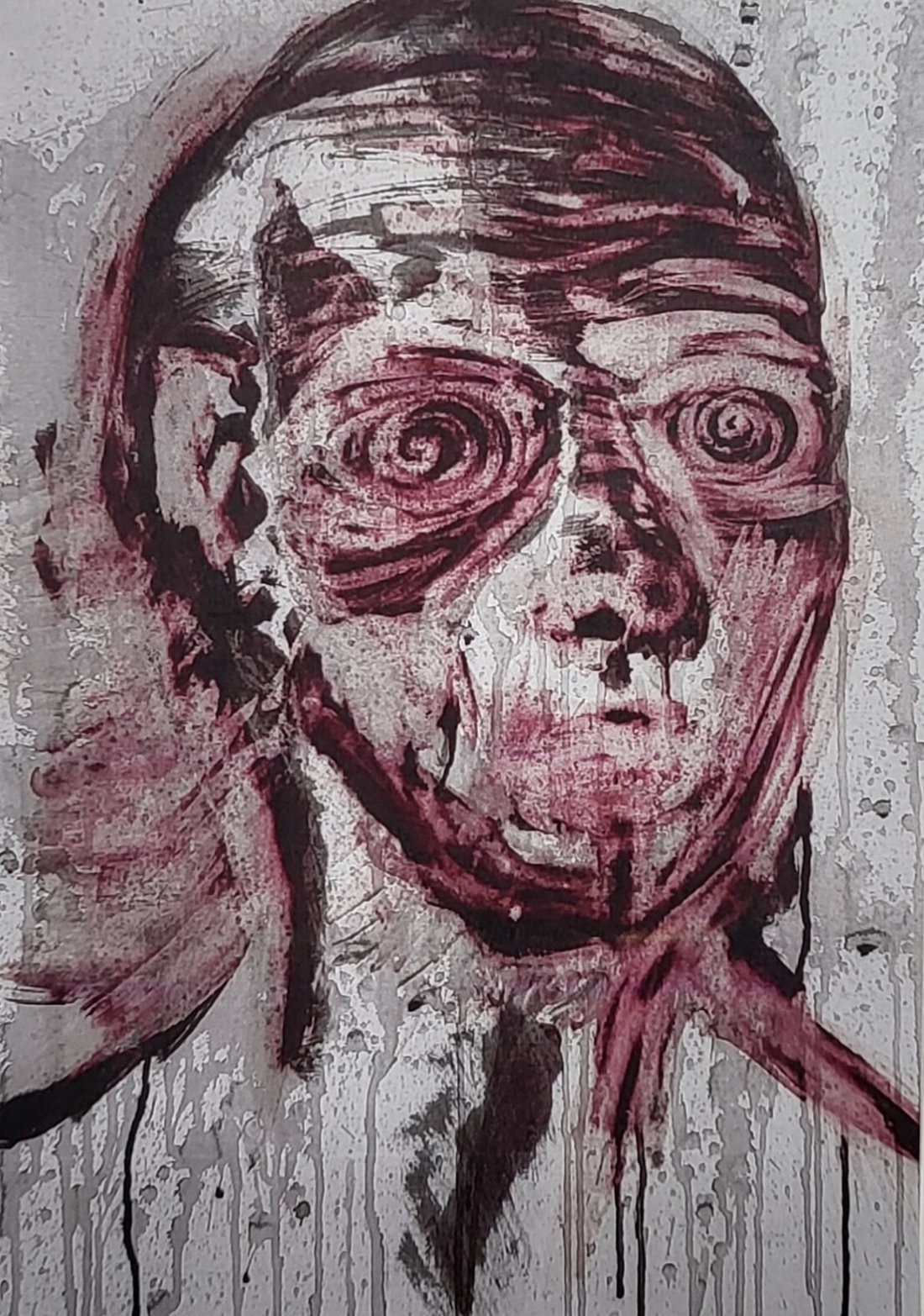
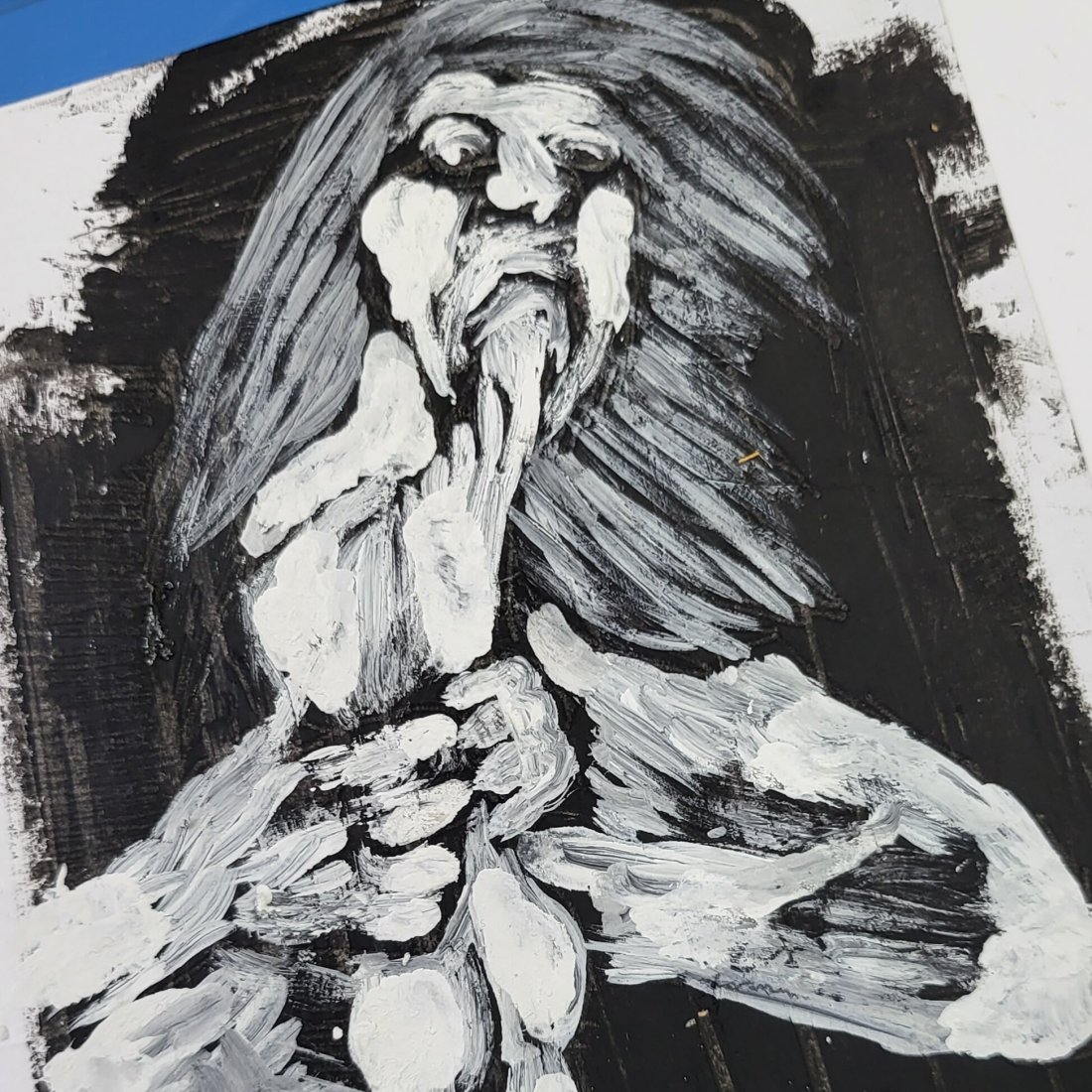
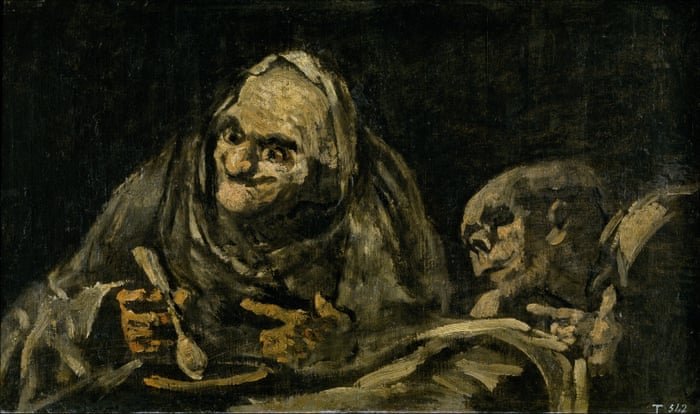
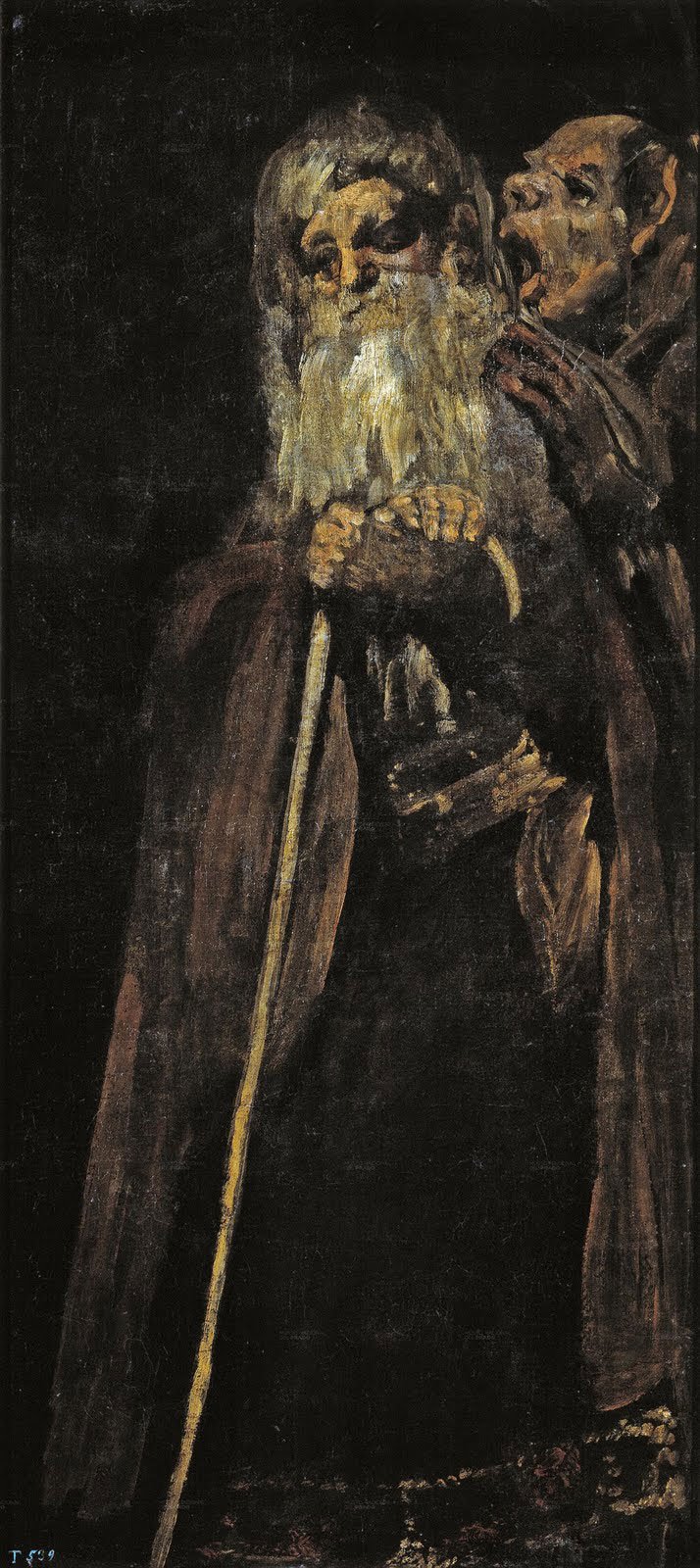
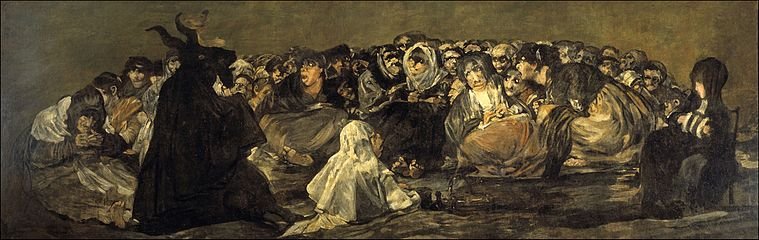
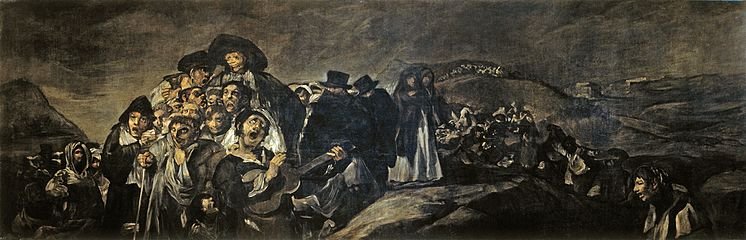
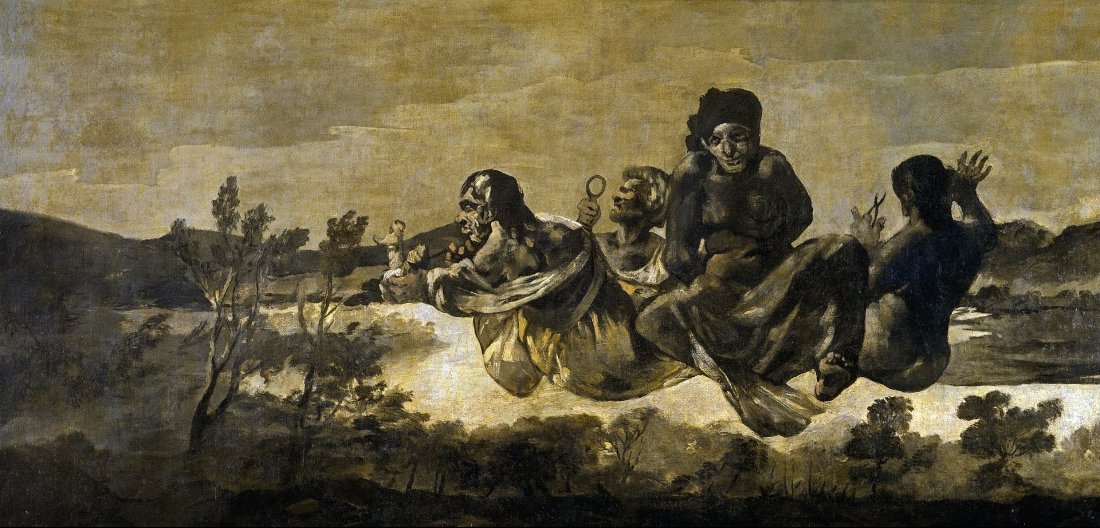
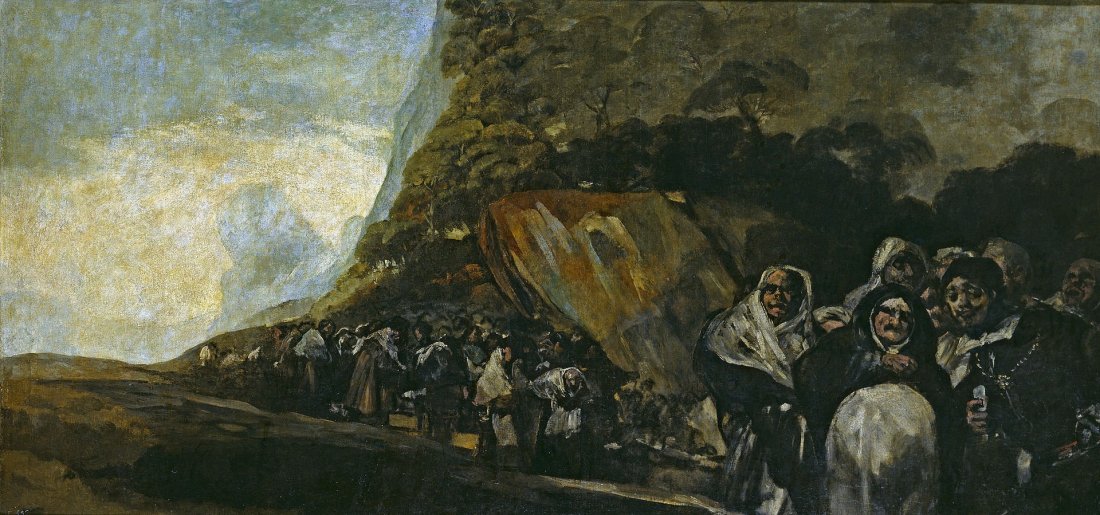
Goya’s Black Paintings really are the power of simplicity of artistic expression. Painted directly onto the walls of his home, these monochromatic works evoke a sense of raw emotion, darkness, and introspection.

Goya’s mastery lies not only in his ability to convey complex narratives and psychological depth but in his minimalistic means. The stark contrast and intensity of black paint became a vehicle for exploring the depths of the human experience during his foray into madness.

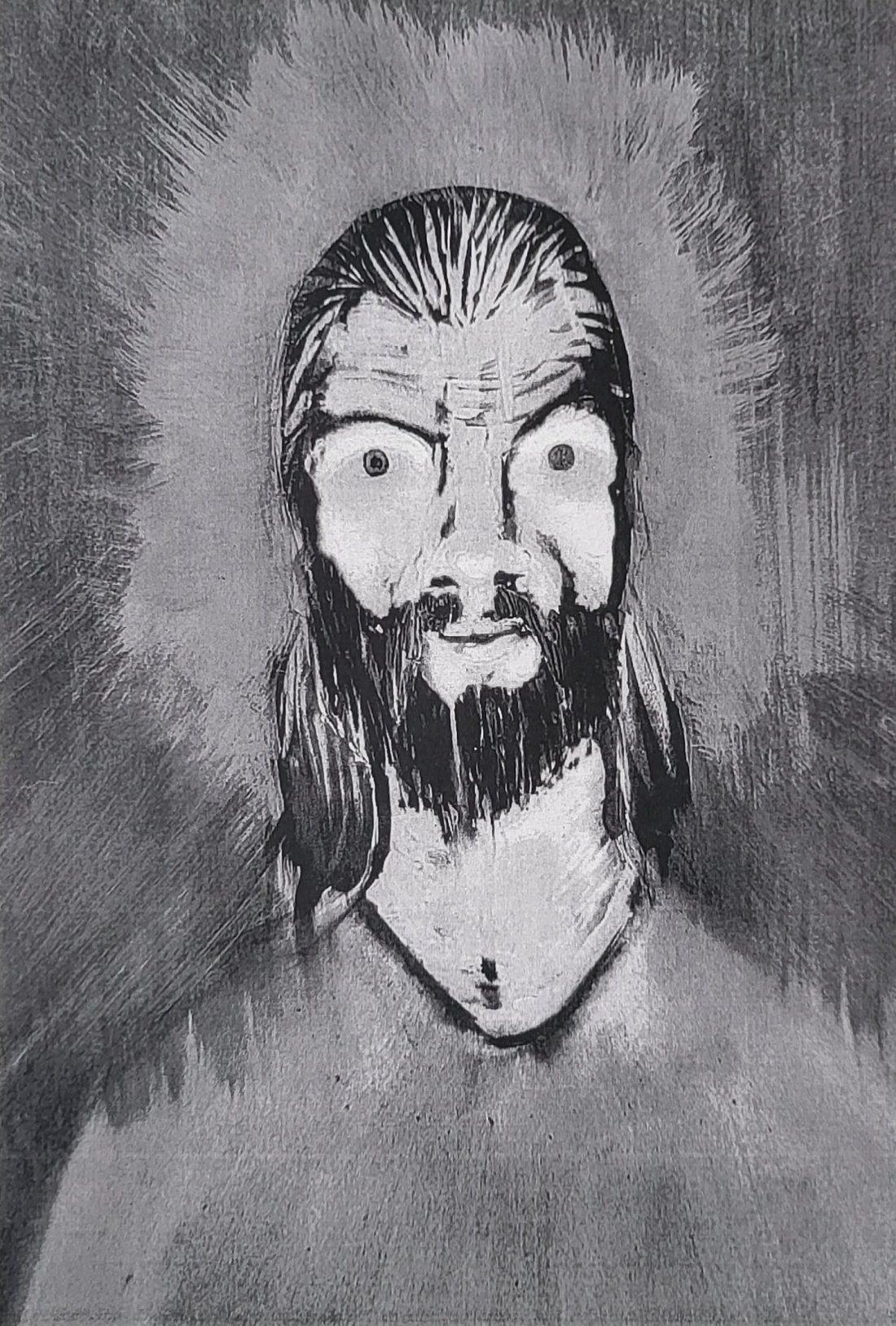
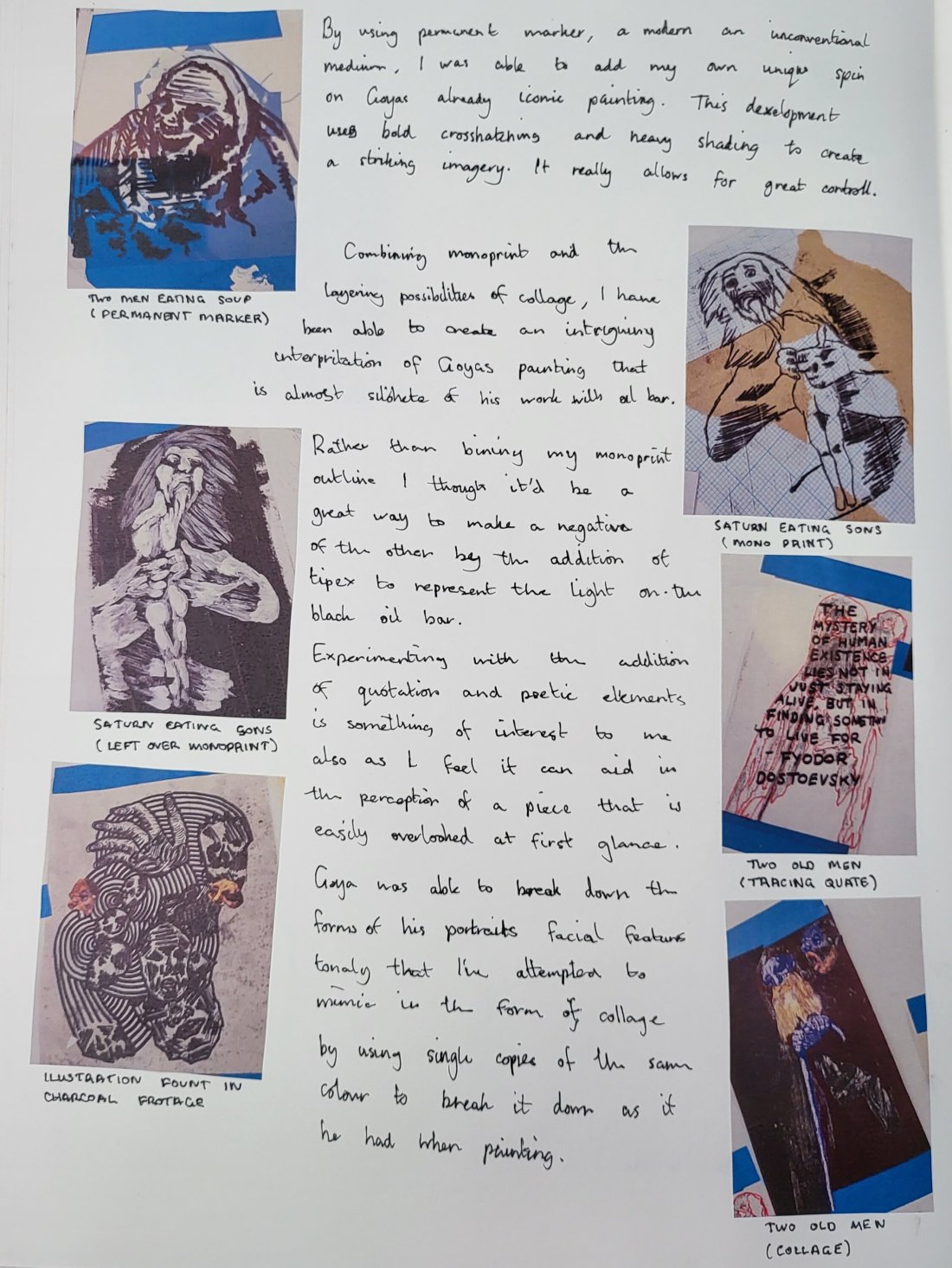
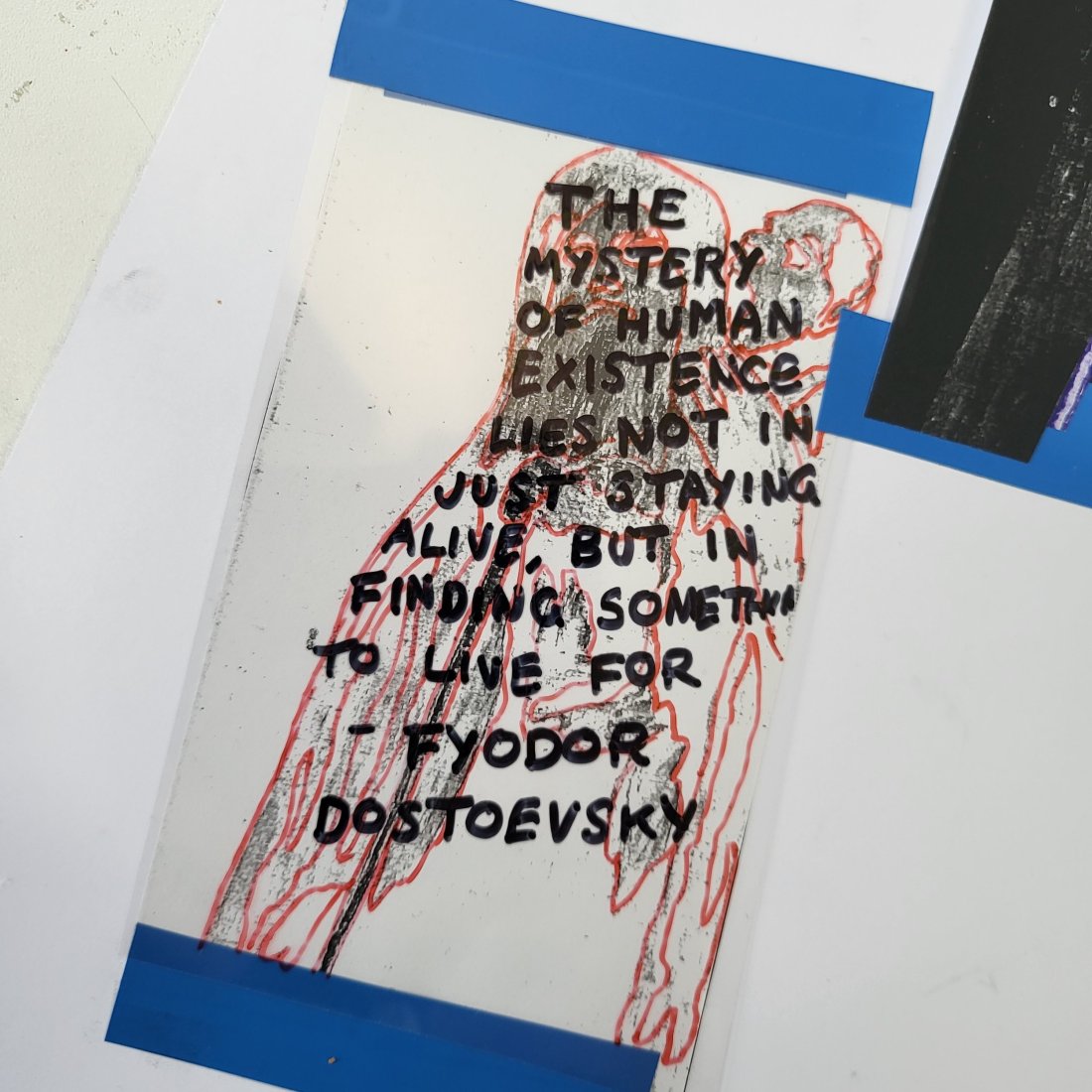
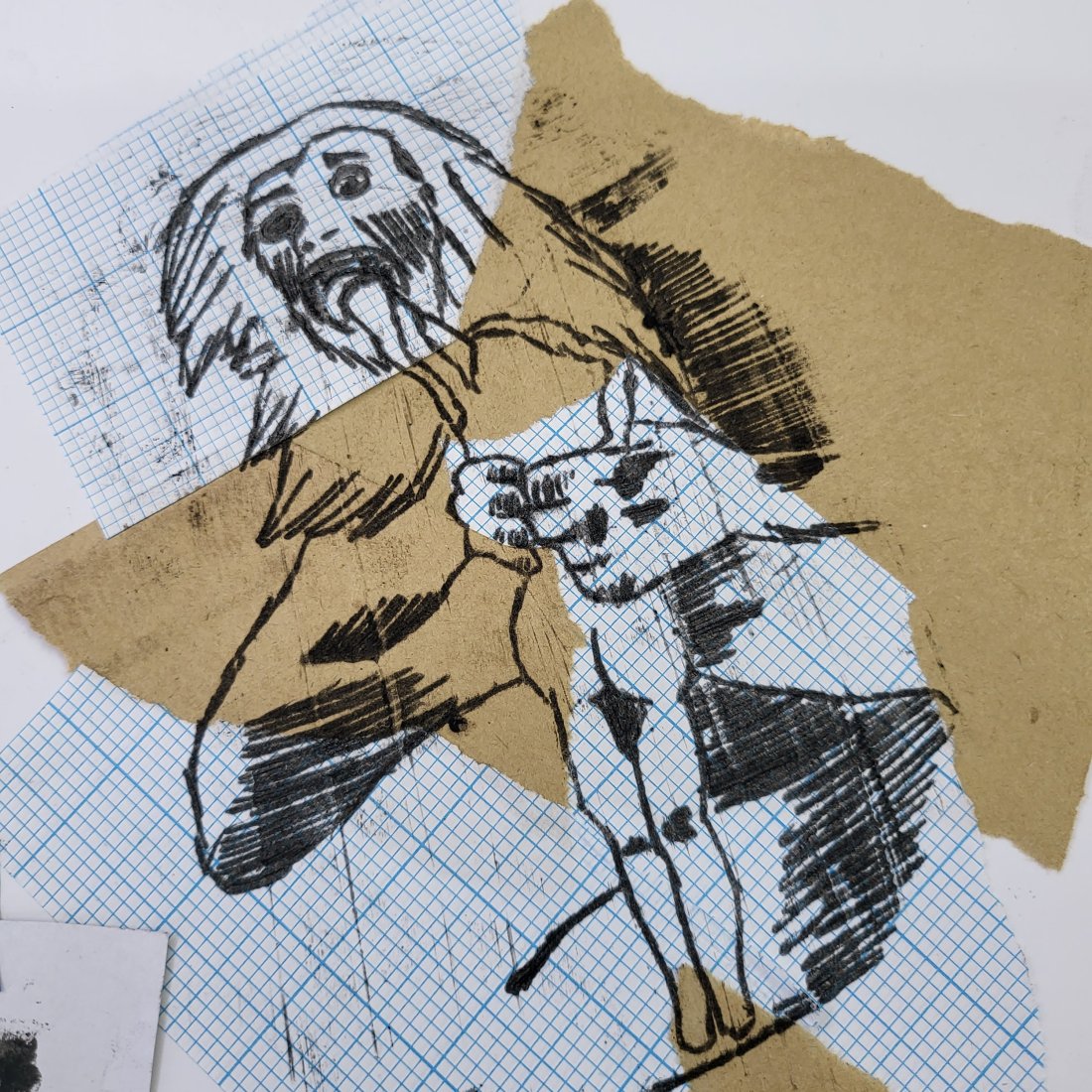
Using the technique of monoprint printmaking developing on his work, it perfectly captured the spontaneity and texture found in Goya’s Black Paintings which took me down a rather exploratory route. With the simple process, involving the application of ink and paint to a plate and transferring it to paper, monoprint offered opportunities for my own developing experimentation and outcomes as you can see.

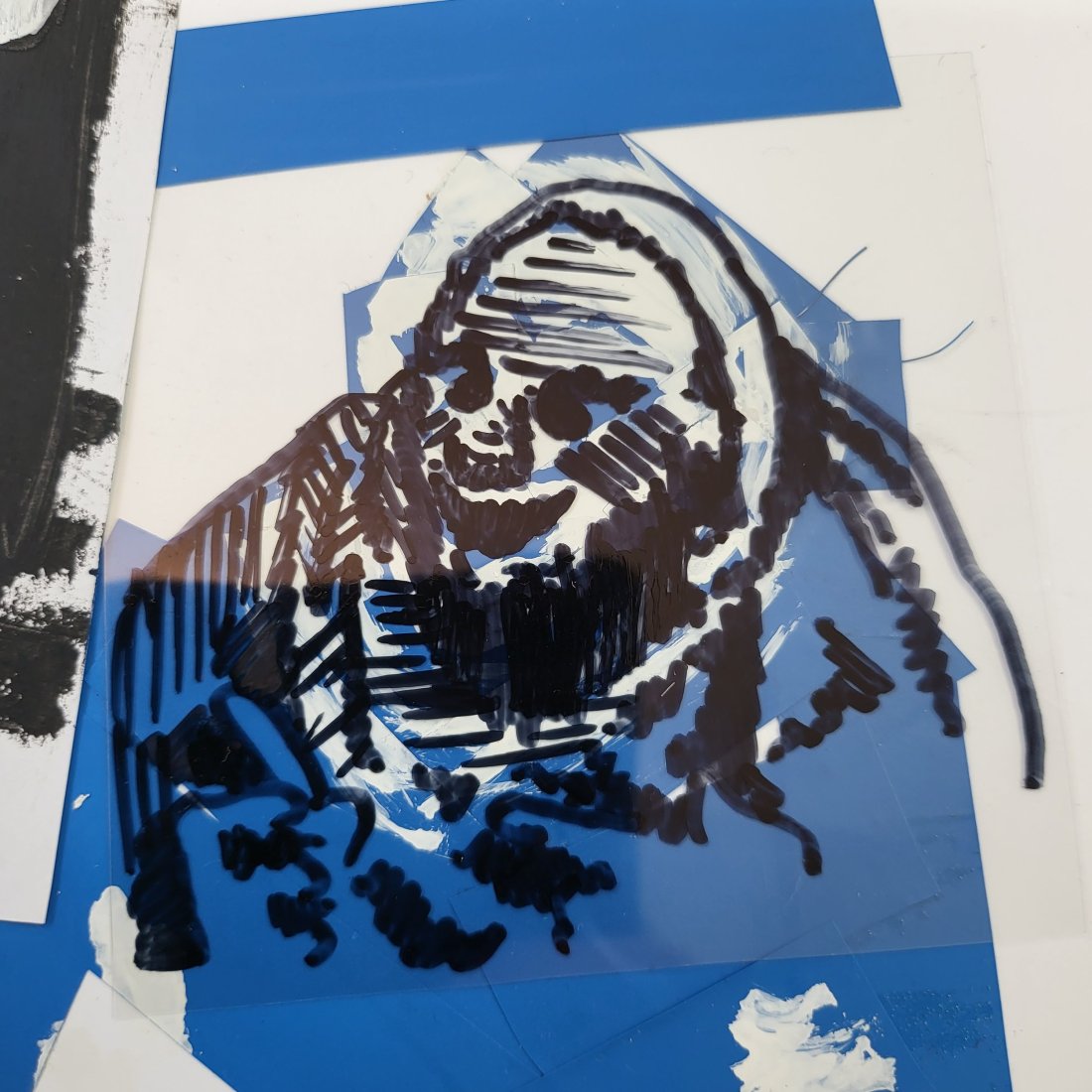
Inspired by Goya’s expressive marks I used a variety of tools, such as oil bar, collage, permanent marker, tippex fluid and even acetate paper, to create dynamic textures, layers and patterns reminiscent of the intensity found in the Black Paintings.

By embracing the monoprint process, I captured the immediate and raw emotion present in Goya’s works even using the layer that I applied the media to and making that a developed piece of work in its own rite. The fluidity of the technique allowed for the exploration of expressive gestural marks eventhough in part i was only tracing and added a real atmospheric effect. The resulting monoprint became unique impressions that embody the essence of the emotional response to the piece.

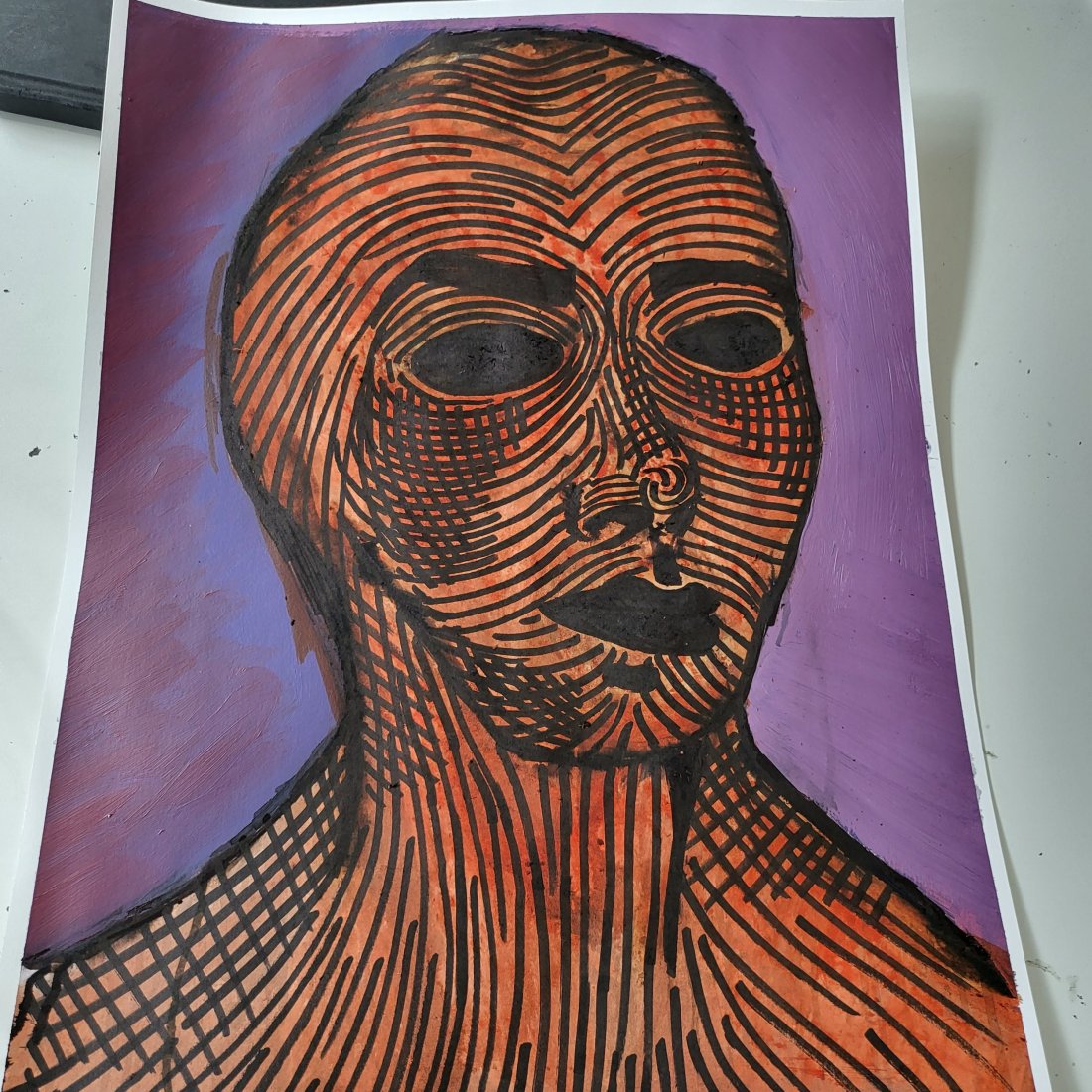
Drawing in permanent marker offered another avenue for me to channel the boldness and intensity found in Goya’s Black Paintings without the use of using actual oils. The simplicity of the medium, coupled with its permanent nature and boldness of line, allows for direct and immediate expression. Inspired by Goya’s dark and dramatic compositions i attempted to emulate and explore the stark contrast between black and white, using thick, bold strokes to create visually striking imagery in a contemporary way.

The permanent marker provided a sense of finality, which helped to commit fully to my marks. Through the layering and overlapping of lines, I attemted to create depth capturing the complexity and depth of emotions which Goya’s Black Paintings captured so masterfully. The directness of the marker allowed for spontaneous exploration and the ability to respond instinctively to the subject matter.

My ideas inspired by Goya’s Black Paintings using monoprint and drawing in permanent marker I embraced the experimentation and emotions of the works to guide my process.

By drawing upon the printouts embracing the darkness of his works and raw emotion present in Goya’s work helped reflect on my own interpretations and personal experiences that I hope to take forward into my final project.

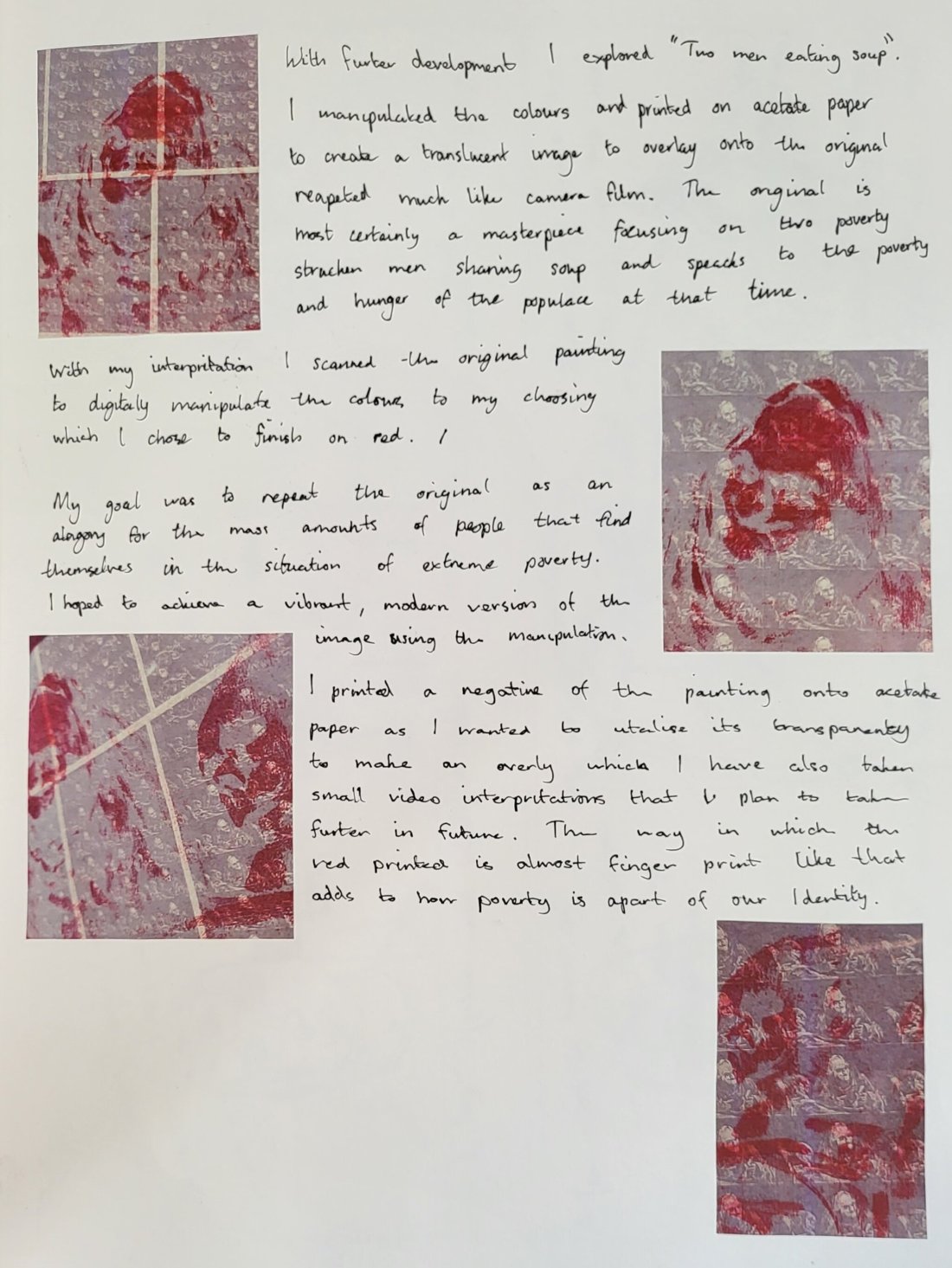
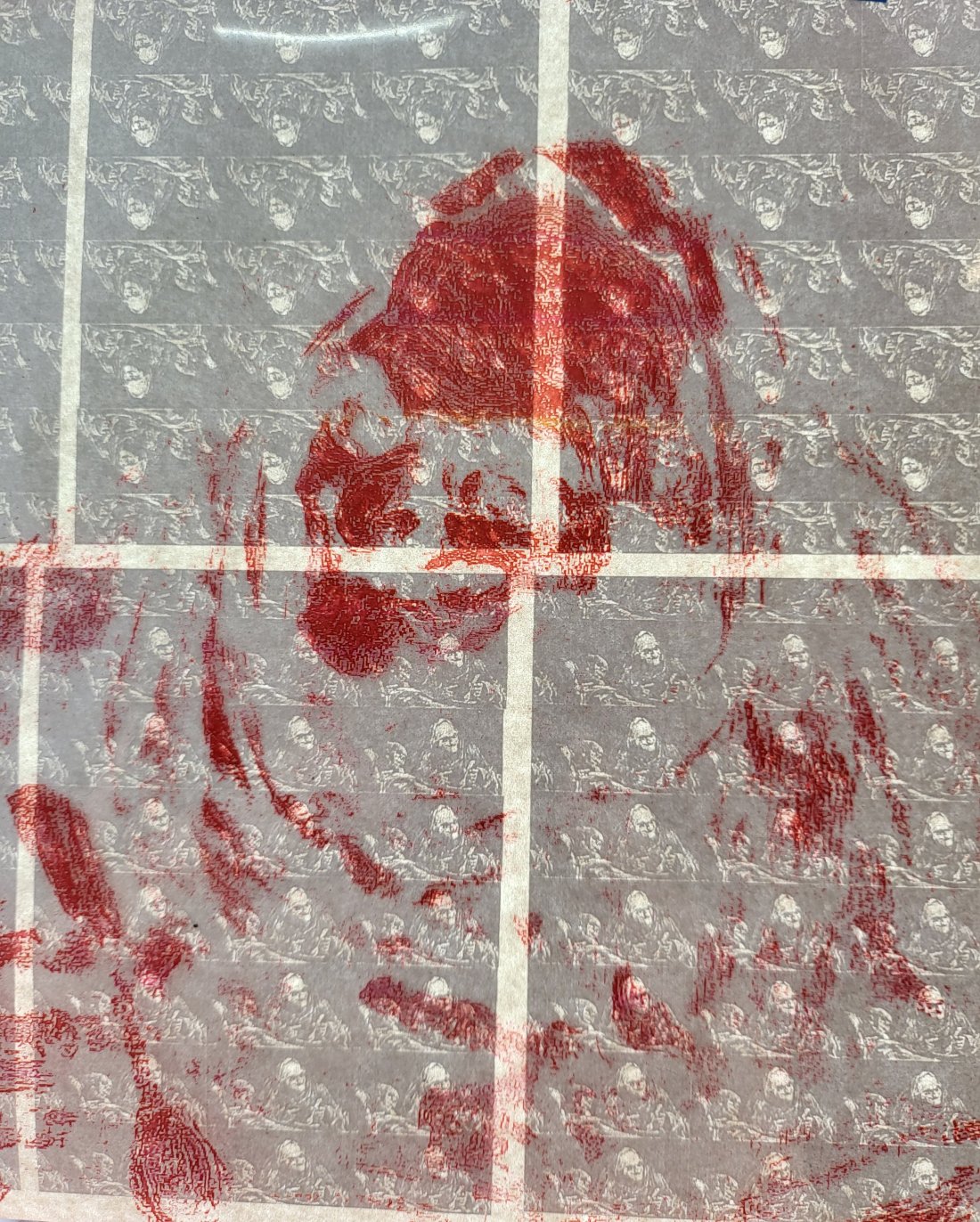
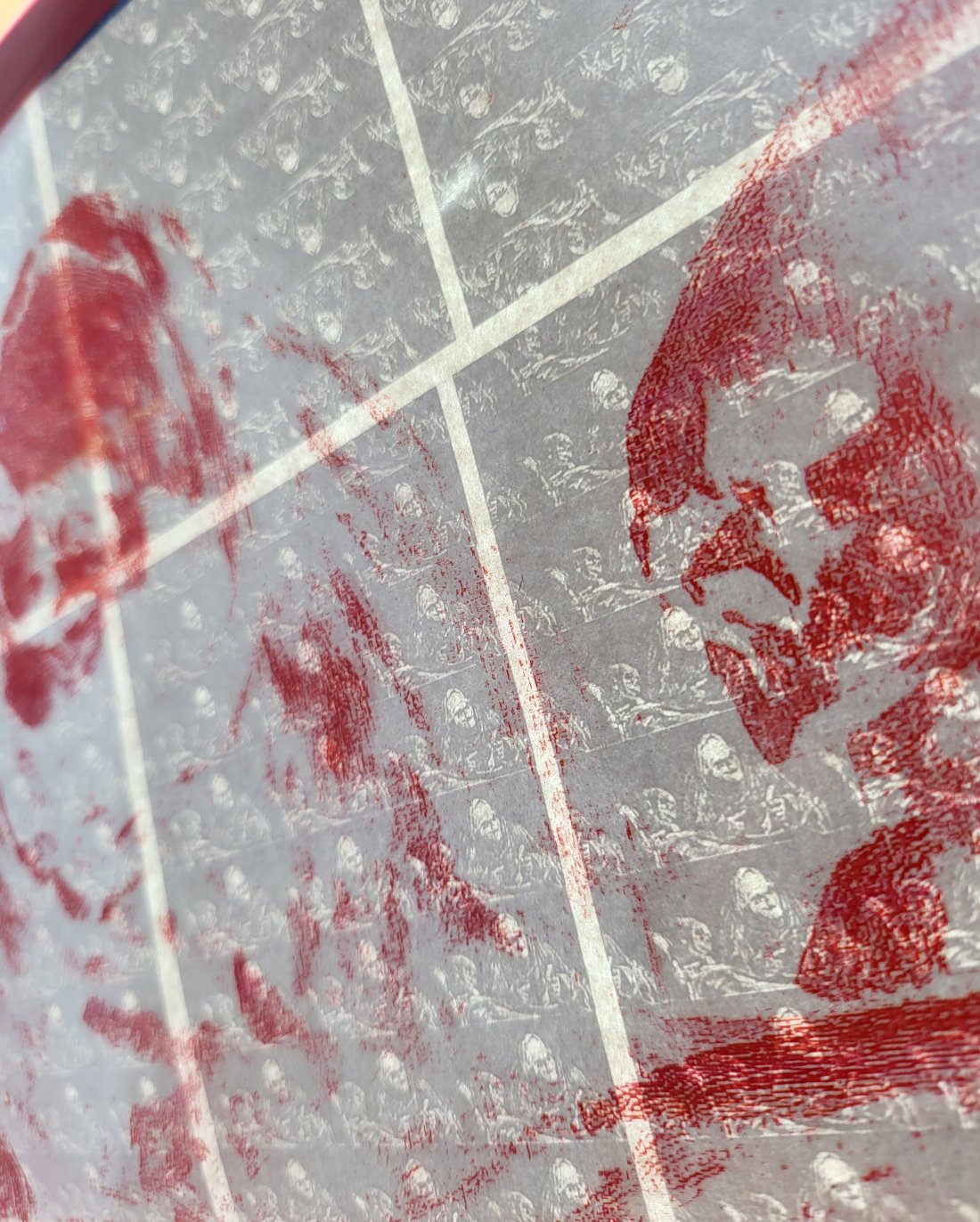
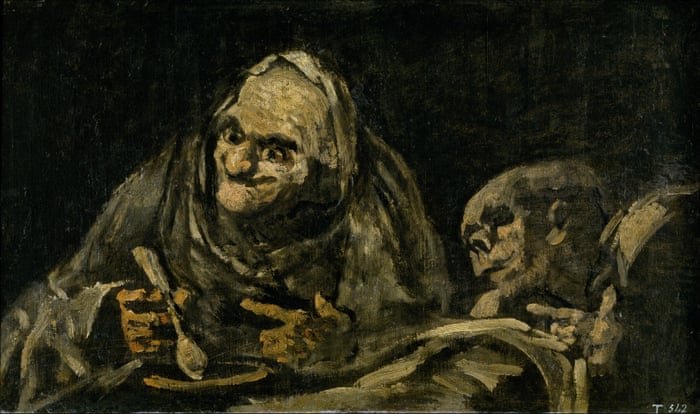
It was in the final stages here that I started extracting colour from the work “Two men having soup” digitally leaving little more than can be said as an outline that somewhat resembles fingerprints in red like a stain of blood on a clear piece of acetate when I began overlaying this on a variety of different backgrounds that ranged from experimenting with repeat patterns of the actual work and on an inverted Black and white version that added an animated yet monochromatic motion to the flatt pieces, it was here at this point where my development took me further down the avenue of working towards a video piece for my final as Jennie had suggested trying using these effects on a video format.

UAL 2 Week 1-2 Research & Development

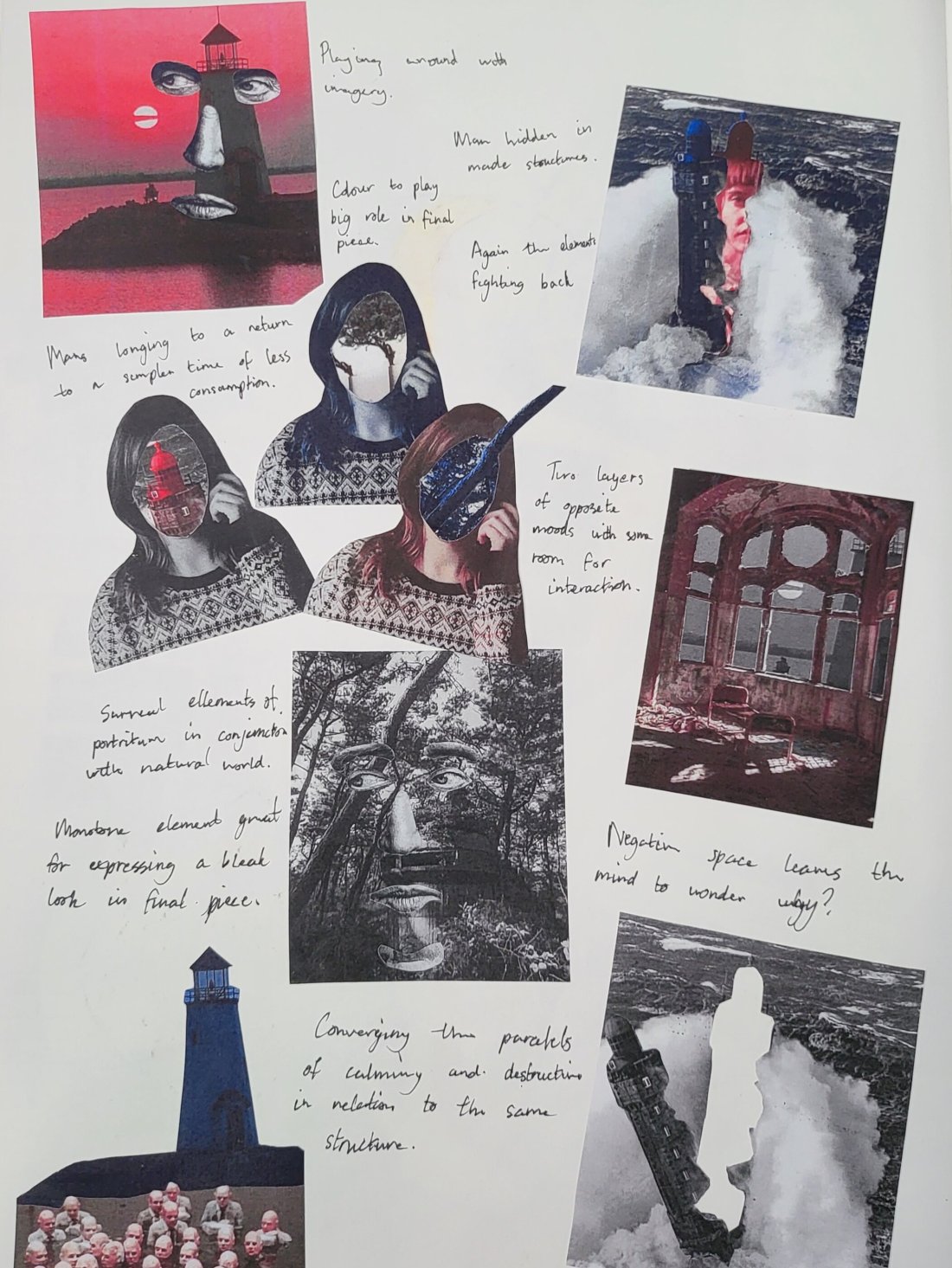
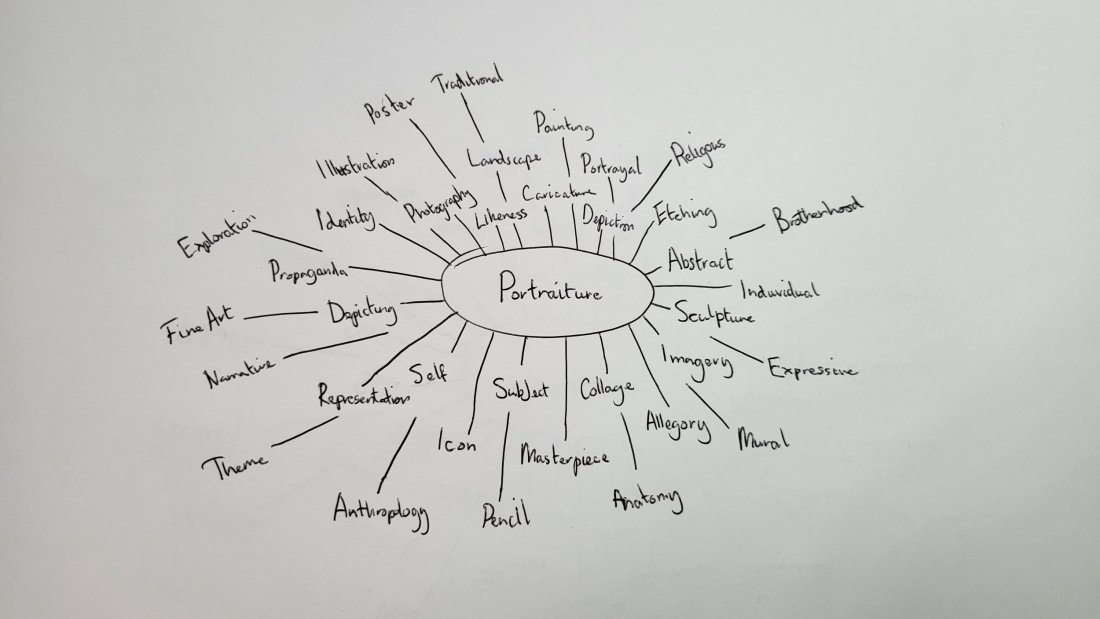
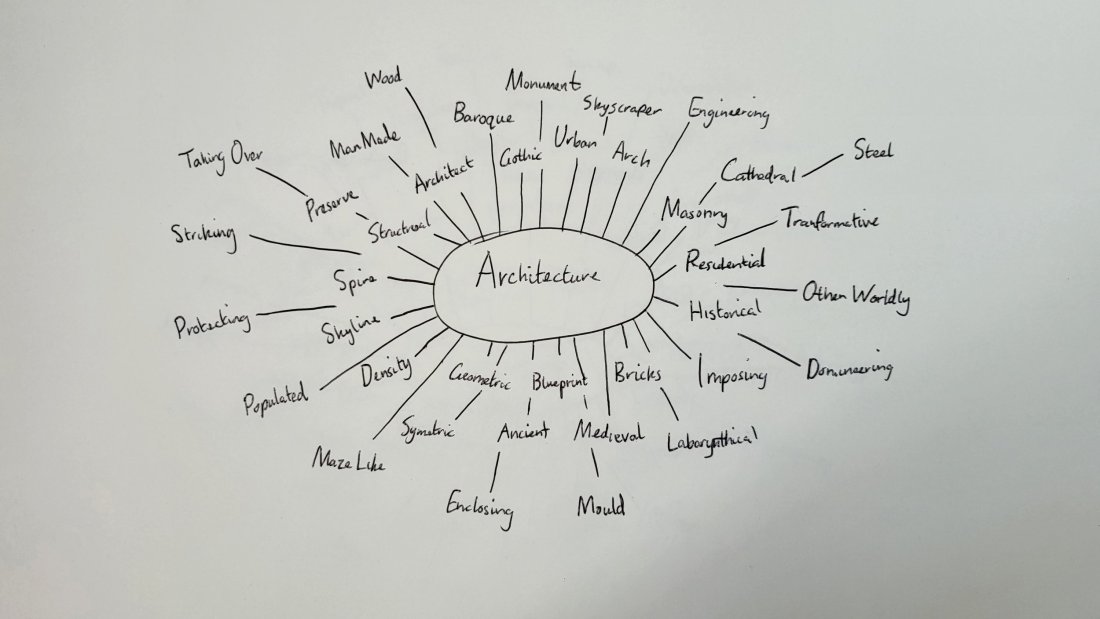
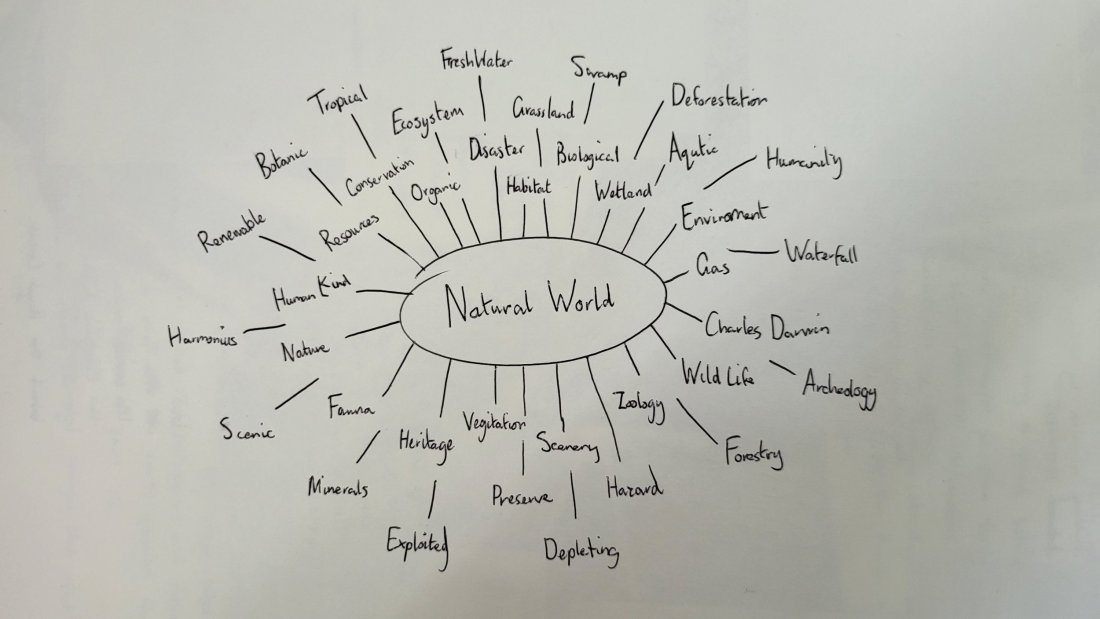
To begin with this project I wanted to start with a complete blank slate as I did not want to shoehorn myself into one specific subject to early so I began with some basic word association with some basic mind maps on all three of our given subject briefs.

With the word association done I was able to do my best to narrow my final project into the realm of architecture and portraiture which was a great way to encorporate how the trauma of our surroundings affects the human condition.

Architecture and portraiture have long been influential in the world of art and design, both subject areas offered unique avenues for my own creative expression, and when combined create captivating and thought-provoking works of art.

My research aims where to delve into the process of my project that explored the connection of architecture and portraiture in the underlying discovery of underlying trauma. By using historical locations and contemporary examples as I will explore how these two subjects can be integrated to create an innovative and engaging artistic project.

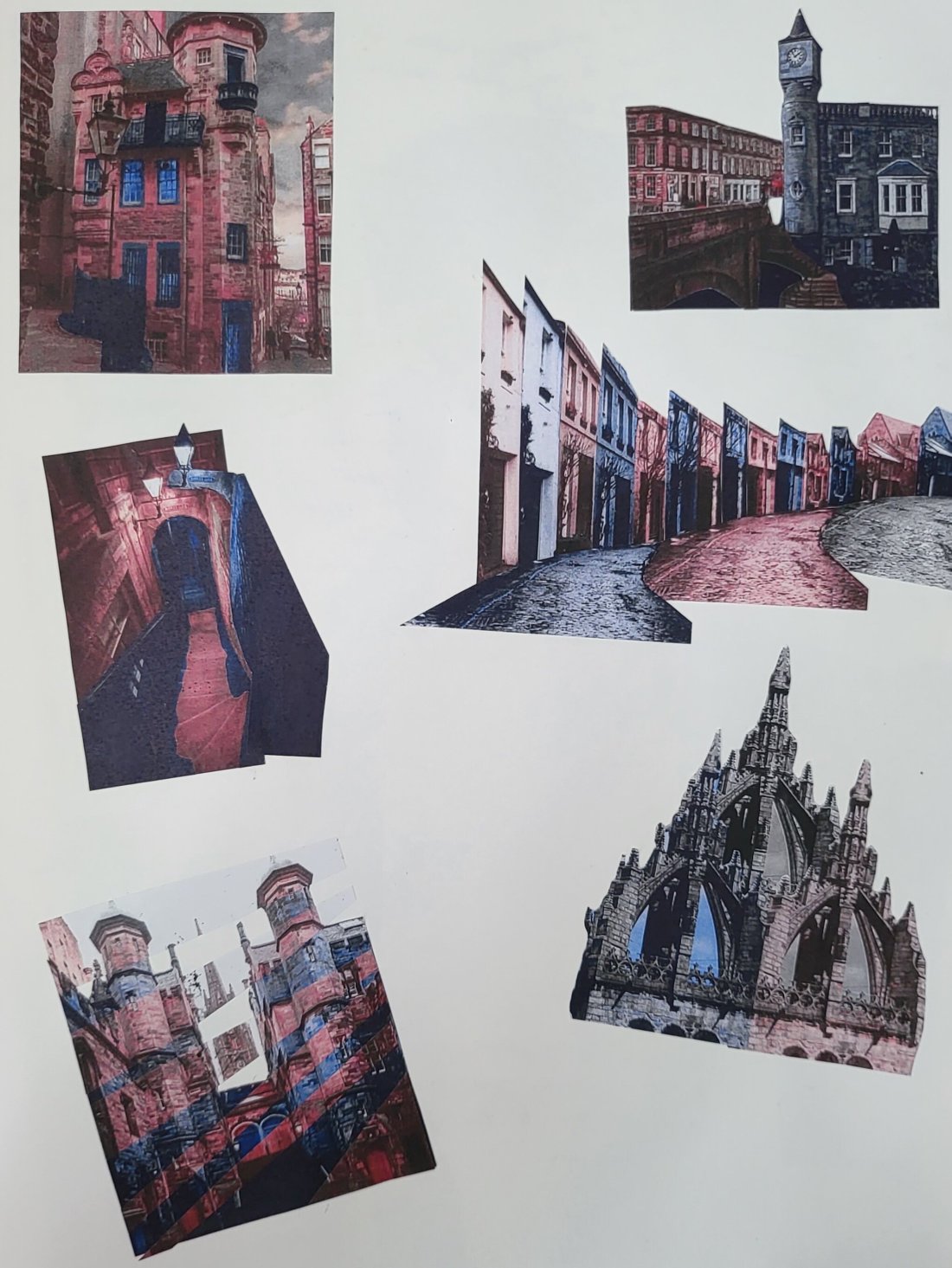
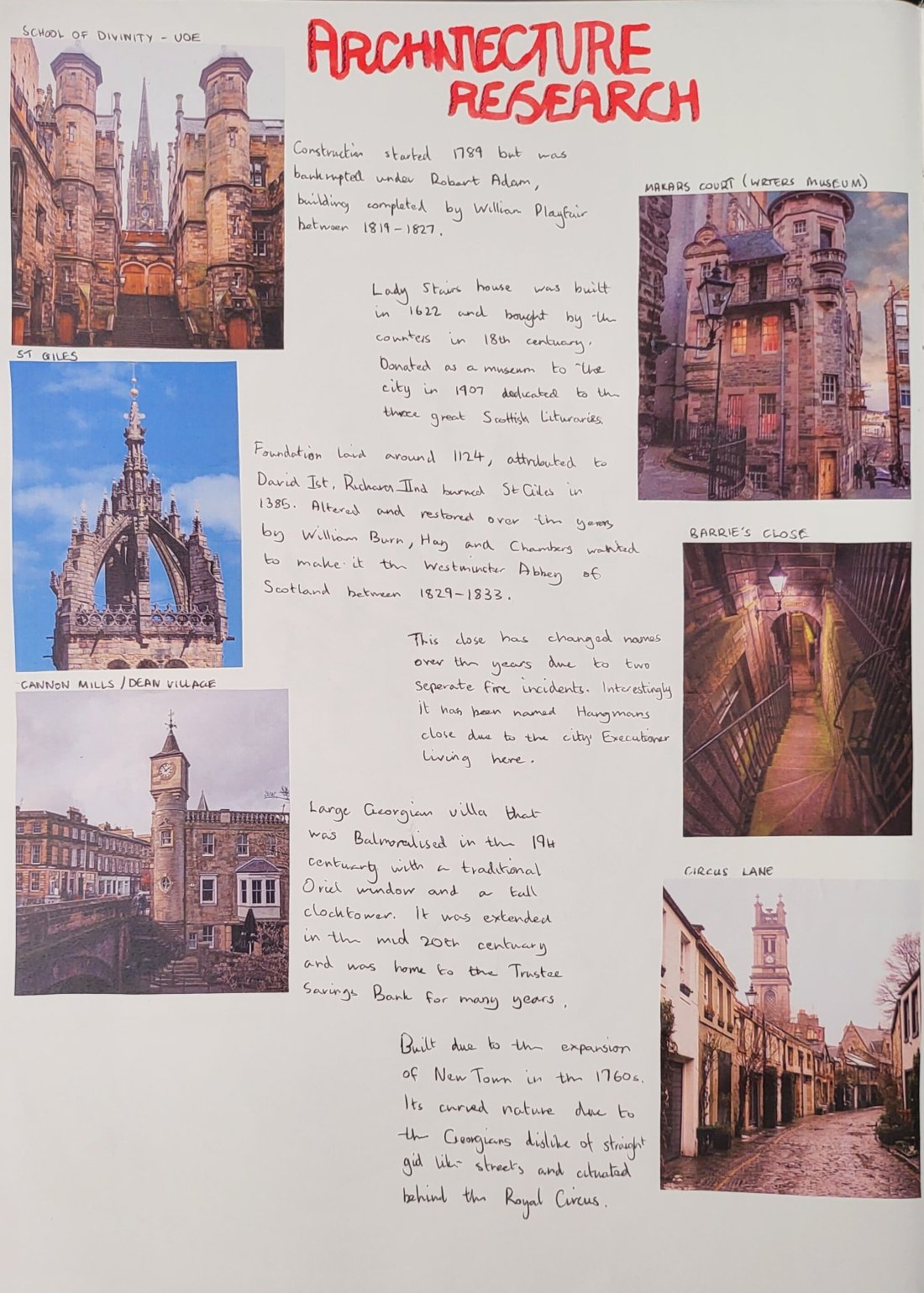
Embarking on my project combined architecture and portraiture, it was essential to immerse myself in the locations backgrounds and research. This involved basic studying into architectural styles, iconic buildings, and influential architects throughout Edinburgh. By gaining a deeper understanding of the locations I was then able to decide on how to shoot my test footage on said locations at a later date.

Researching the architectural elements form and structure provided a real strong foundation for the development of visual ideas. Additionally, exploring the cultural and historical significance of the landmarks again offered insight into the narrative and stories that can be incorporated into the project.

Portraiture, on the other hand, is an art form that focuses on representing the human form and capturing the essence of individuals. Research on portraiture and experimenting was the most crucial for understanding the history and various approaches employed by renowned artists. By researching works of traditional and contemporary artists, I was able to gain insights into composition, lighting, expression, and psychological depth, which are essential aspects to consider when integrating portraiture somehow into architectural settings.

The integration of architecture and portraiture can be approached in numerous ways, depending on the artist’s vision obviously and objectives. One approach involved photographing said locations and later painting myself and experimenting with collage on the architectural spaces that hold historical significance. With a sense of identity, belonging, or nostalgia, while also highlighting the connection between the individual and their surroundings.

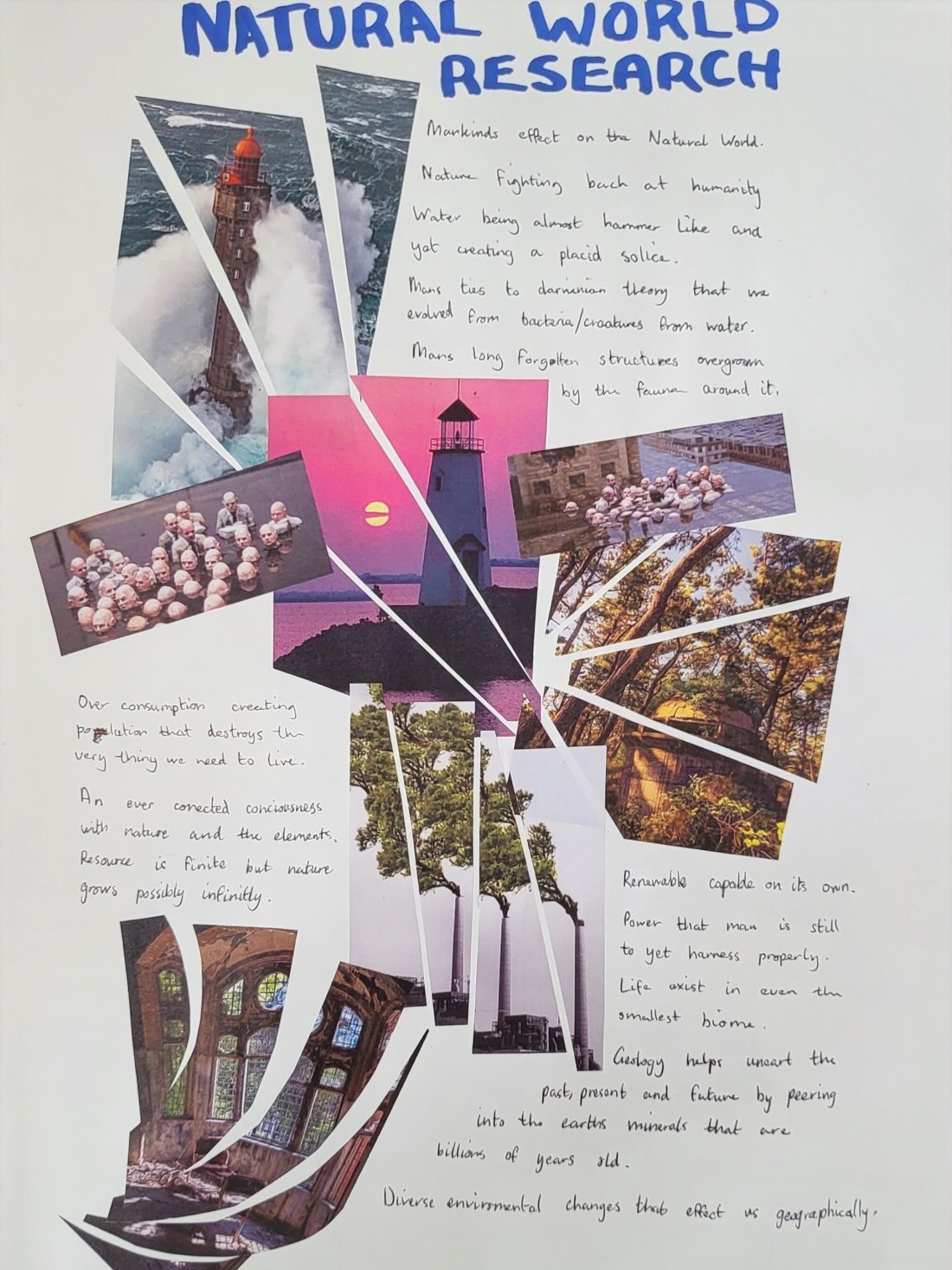
Another approach involve incorporating architectural elements directly into the portraits themselves. This included using architectural motifs, collaging architectural locations onto the more natural world elements, creating sculptural elements within the portrait. By merging these two subjects its a way to explore the interconnectedness of human identity and the built environment.

UAL 2 Bill Viola Analysis

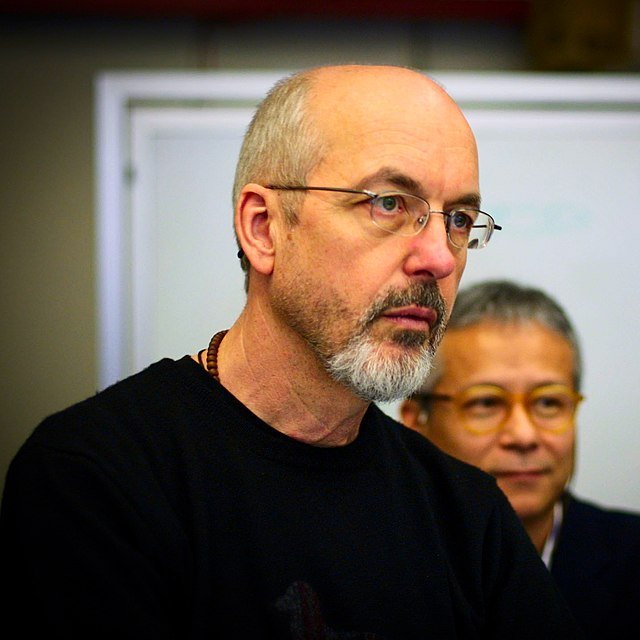
In the realm of contemporary video art, Bill Viola’s works stand out as real captivating pieces that challenged conventional notions of time, perception, and human the existence. As a complete newbie in the art of video editing, looking into Viola’s masterful creations offered a unique opportunity to analyze his techniques, themes, and artistic vision. This analysis aims to explore Viola’s contemporary video works from the perspective of someone just starting to learn video editing, examining how his works push the boundaries of the medium and inspire aspiring video editors that I may someday become to experiment and explore new artistic possibilities.

Bill Viola is amazingly renowned for his groundbreaking contributions to the field of video art, blending technology and visual storytelling to create an immersive and emotionally drenching experience. His work ussualy address themes such as birth, death, spirituality, and the human condition. For an untrained video editor, examining Viola’s pieces provides insights into the artistic potential of the medium and the ways in which it can be harnessed to convey complex ideas and evoke the most profound emotions.

One of the most noticable aspects of Viola’s video works is his use of minimalism and slow motion. By using a deliberate pace and extending moments in time, Viola encourages the viewer to contemplate the essence of the depicted events. As a beginner in video editing, this technique inspired experimentation with manipulating time and pacing to create powerful visual narratives. Learning from Viola’s examples, novice video editors can explore the impact of rhythm on storytelling and emotional resonance.

Viola’s works often incorporate rich visual symbolism and references. By combining elements from various cultures, religions, and historical periods, he creates a timeless visual language that comunicates with viewers on multiple levels. For those new to video editing, studying Viola’s use of symbolism can help expand their creative horizons and encourage the incorporation of meaningful metaphors in their own work. Understanding the power of symbols can enhance the narrative and evoke emotional responses in the audience.

In addition to visuals, Viola’s video works meticulously craft soundscapes and ambient audio. The combination of carefully chosen sounds, including ambient noise, music, and silence, adds another layer of emotional depth and enhances the overall experience is certainly something I noticed after having a discussion with Jen on ideas of what sound to incorporate into my own final project. Exploring the interplay between visuals and audio can be a transformative learning experience. It emphasizes the importance of sound design and how it can complement and elevate the impact of visual storytelling.

Bill Viola’s video works showcase the skillful use of video effects and post-production to enhance the visual impact of his art. From color grading and compositing to layering and manipulation, Viola demonstrates that these technical tools can be utilized to create mesmerizing visuals and convey abstract concepts. Observing and deconstructing Viola’s techniques opens up a world of possibilities for experimentation and encourages exploration.

Above all, Viola’s video art is characterized by its profound emotional resonance. Through his masterful combination of aesthetics, storytelling, and his magical technical finesse, he invites viewers to connect with the human experience at a visceral level. Aspiring video editors can undoubtedly learn from Viola’s ability to elicit emotions through visual narratives and incorporate this understanding into their own works.

Bill Viola’s contemporary video works serve as a testament to the power and artistic potential of video editing. For someone just starting to learn the craft, exploring Viola’s creations offers invaluable insights into the various techniques, themes, and approaches that can be employed to create visually stunning and emotionally engaging videos.

Viola’s emphasis on minimalism, slow motion, visual symbolism, and allegory encourages novice video editors to experiment with pacing, storytelling, and the incorporation of meaningful visual metaphors. By studying his works, aspiring editors can gain a deeper understanding of the impact of rhythm, tempo, and symbolism on the narrative depth and emotional resonance of their videos.

Viola’s meticulous attention to sound design and the interplay between visuals and audio highlights the significance of crafting immersive soundscapes to enhance the overall sensory experience. Novice editors can learn to appreciate the transformative role of sound in complementing and elevating the impact of visual storytelling.

Viola’s masterful use of video effects and post-production techniques also inspires beginners to explore the digital tools at their disposal. By understanding and experimenting with these technical elements, video editors can push the boundaries of creativity and create visually stunning and innovative works.

Ultimately, the emotional resonance of Viola’s video art serves as a guiding principle for aspiring editors. By reflecting on the profound emotional connection Viola establishes with his audience, novice editors can strive to evoke genuine emotions and create videos that leave a lasting impact.

In conclusion i suppose, the contemporary video works of Bill Viola offer an invaluable learning opportunity for those just starting to learn video editing. His exploration of minimalism, symbolism, sound design, and his mastery of technical finesse showcase the artistic potential of the medium and inspires aspiring video editors to push their creative boundaries. By studying Viola’s work, I felt I gained insight into narrative depth, emotional resonance, and the powerful nature between visual and audio. With Viola as a guiding force, the journey of editoing becomes a path of self-discovery, experimentation, and artistic growth.

UAL 2 Francisco Goya Analysis

Francisco Goya’s Black Paintings have captivated many for centuries. Created during a period of political turmoil and personal suffering, these truly haunting works I regard as a personification of the trauma experienced by Goya and his fellow man. As an art student, I delved into the depths of Goya’s Black Paintings with some research and developments to explore their symbolic nature and the profound impact they had on the artist and society as a whole to this day. In this critical analysis i hope to shed light on the connection between Goya’s personal experiences, the historical context in which he created these paintings, and their significance as a representation of trauma.

Goya’s Black Paintings were created between 1819 and 1823, a time marked by political unrest and social upheaval in Spain with the Peninsular War, the Spanish Inquisition, and the oppressive reign of King Ferdinand VII had taken a toll on the Spanish nation. This context provides a glimpse for understanding the somber and introspective tone of Goya’s Black Paintings. They encompase a collective trauma experienced by Spanish society, encapsulating the despair, fear, and disillusionment prevalent during that era.

Goya was a superstar in his prime but his personal life was also shrouded in tragedy and affliction. In 1792, he contracted an illness that left him deaf, isolating him from the world and leading to an overwhelming sense of alienation. Furthermore, Goya experienced the loss of loved ones and witnessed the brutality of war. The culmination of these personal traumas likely influenced the dark and introspective nature of the Black Paintings.

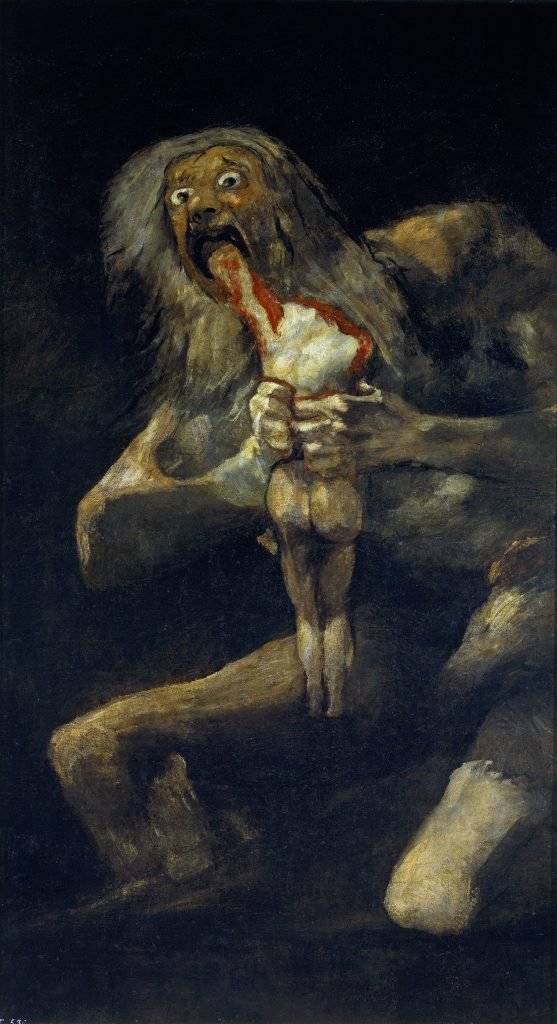
The Black Paintings depict various themes that can be seen as a reflection of trauma. One of the most famous works, “Saturn Devouring His Son,” portrays the Greek mythological god Saturn consuming his offspring. This gruesome image can be interpreted as a metaphor for the destructive nature of power and the cyclical nature of violence. Other themes explored in Goya’s Black Paintings include madness, isolation, and the fragility of human existence. These themes resonate with the profound sense of suffering and uncertainty prevalent during the time of their creation.

Goya’s artistic choices in the Black Paintings emphasize the emotional impact of trauma. The use of dark, monochromatic tones and chiaroscuro enhances the atmosphere of gloom and despair. The absence of vibrant colors and the presence of grotesque and macabre imagery evoke a sense of horror and unease. Goya’s deliberate abandonment of the usual traditional artistic conventions also suggests a desire to express the raw and unfiltered emotions, unburdened by societal expectations all in the privacy of his own home and without the thought of exhibiting.

Initially intended as private murals within Goya’s home, the Black Paintings were not widely known until after his demise. Their discovery and subsequent public display in the 19th century generated intrigue and fascination among art conisuers and scholars. The raw emotional power and introspective nature of these works influenced subsequent generations of artists, notably the Expressionists, who sought to explore psychological depth and convey personal and societal trauma also through their art.

Goya’s Black Paintings stand as the pinicale example of the enduring power of art to convey the human experience, particularly the profound impact of trauma. Through these haunting works, Goya captured the collective suffering of a nation and expressed his own personal anguish. The historical and cultural context in which they were created, along with Goya’s own hardships, contributed to the dark and introspective nature of the paintings. Symbolism, artistic expression, and subsequent influence on art movements all contribute to the enduring significance of Goya’s works.

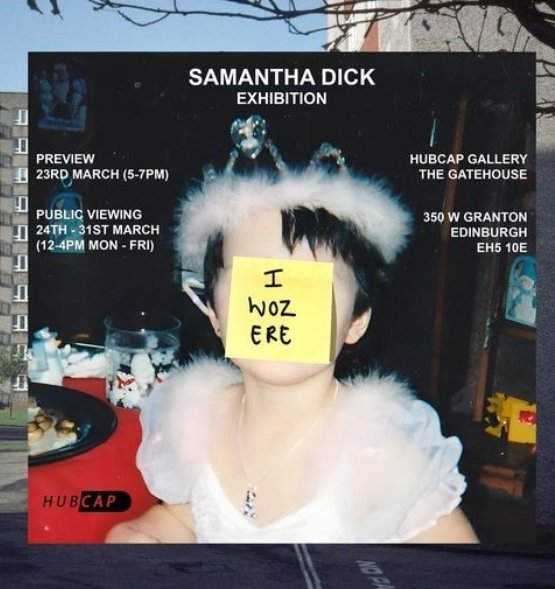
I WoZ ErE

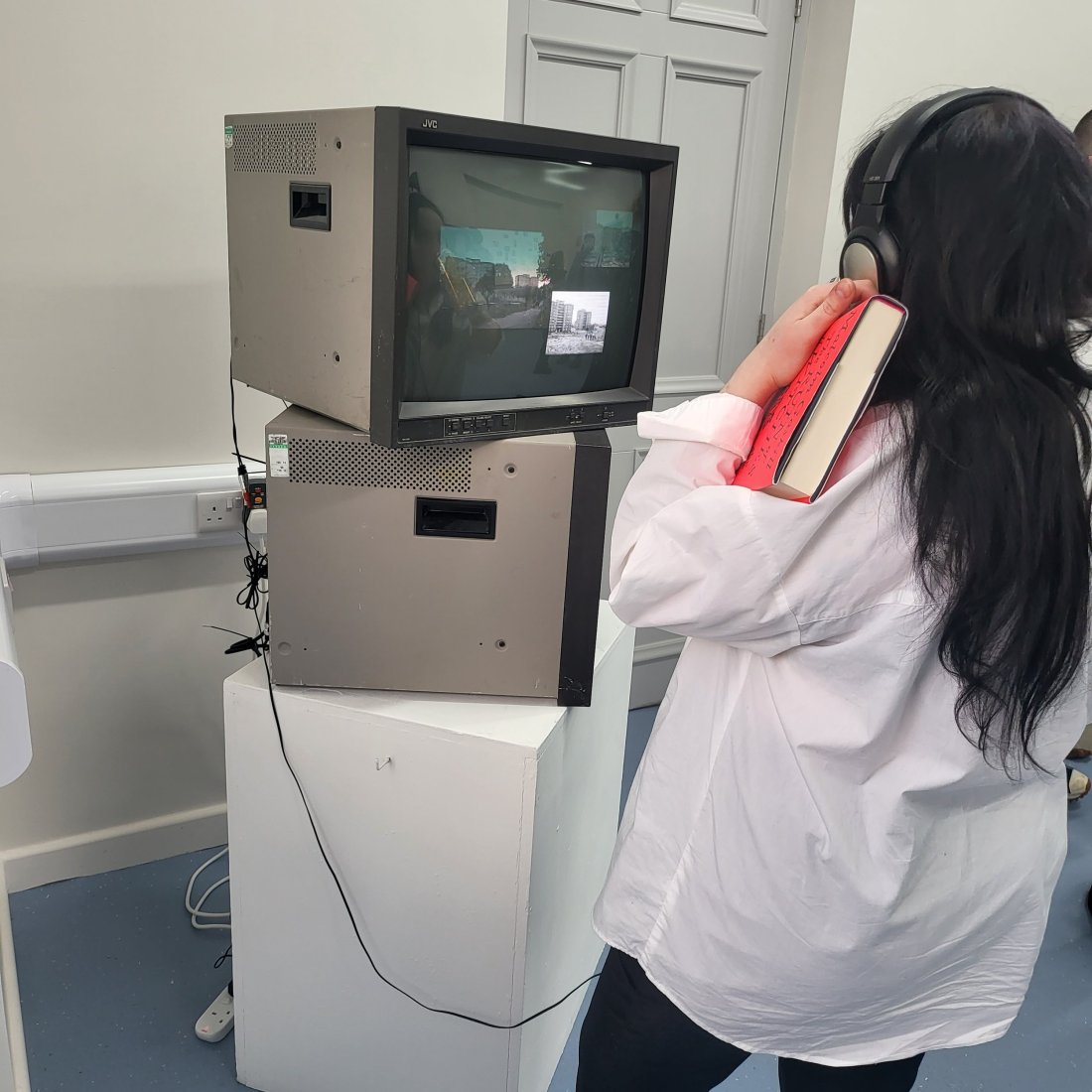
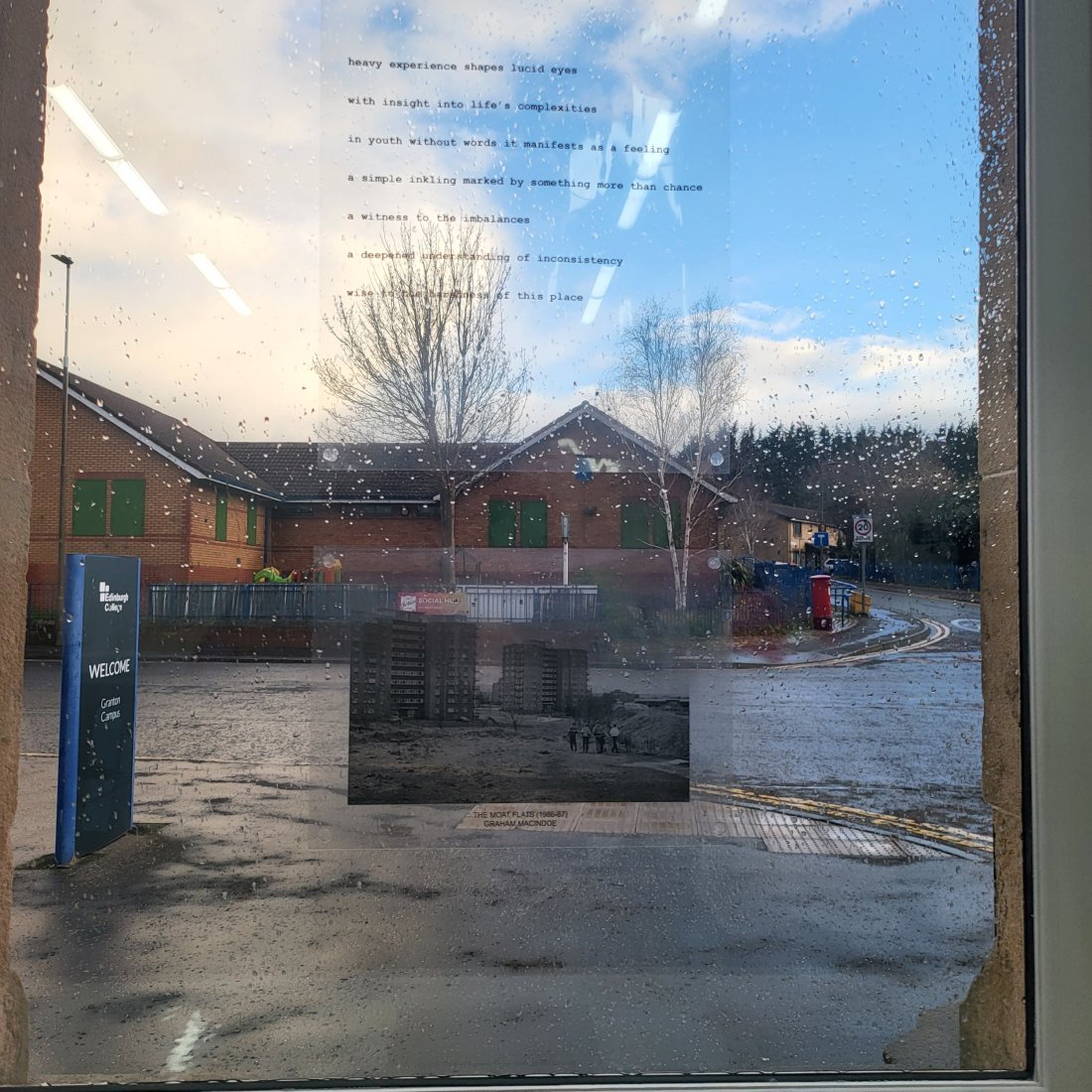
Welcome everyone to this retrospective on Sam’s primarily video exhibition. Over the past few weeks I struggled to find the words to do this ramble of sorts but here we go. Each piece has challenged my perceptions and definitely expanded my understanding of what video art can achieve. I hope I will reflect on the highlights of the exhibition and explore the themes that emerged throughout.

<div class="sqs-video-wrapper" data-provider-name="YouTube" data-html="

“>

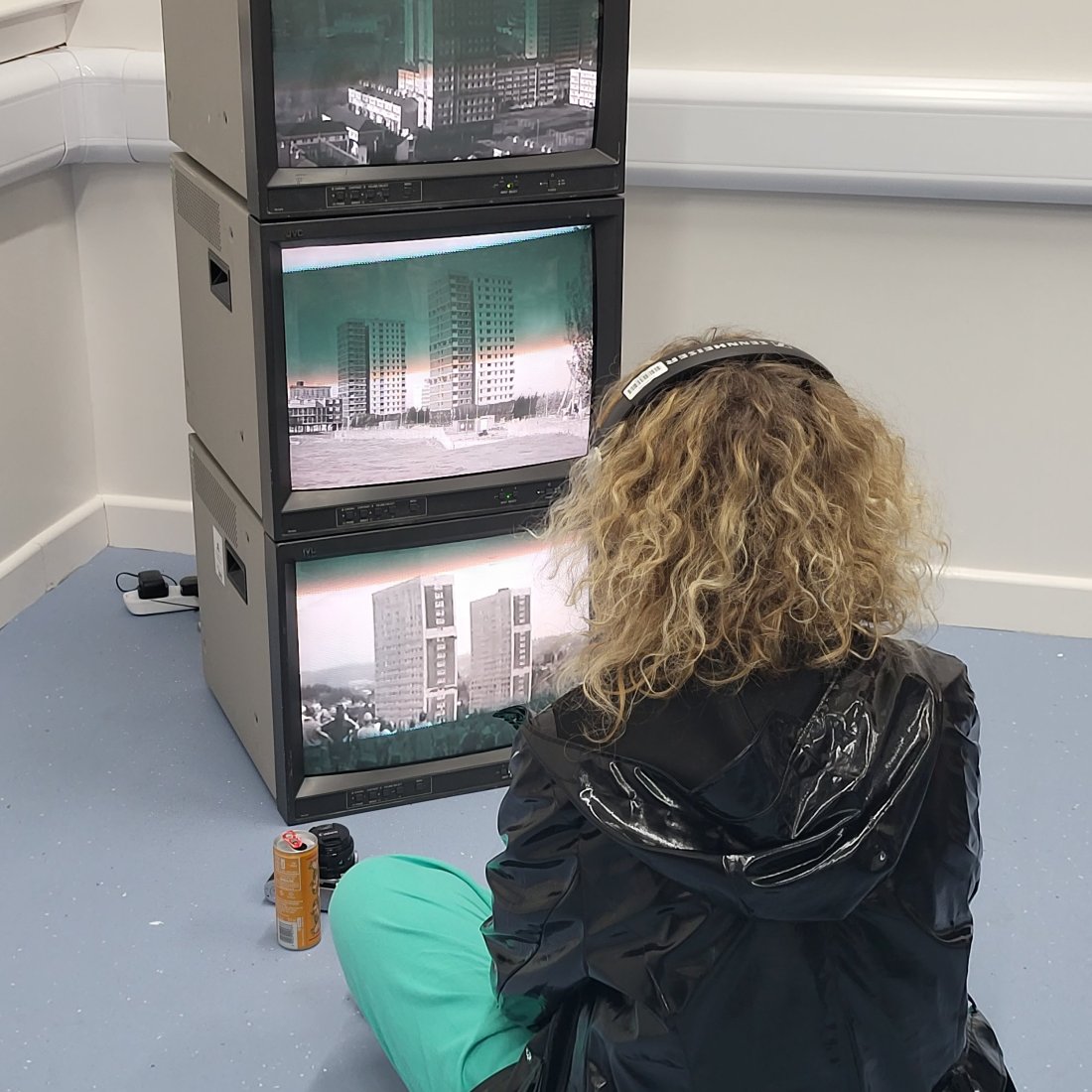
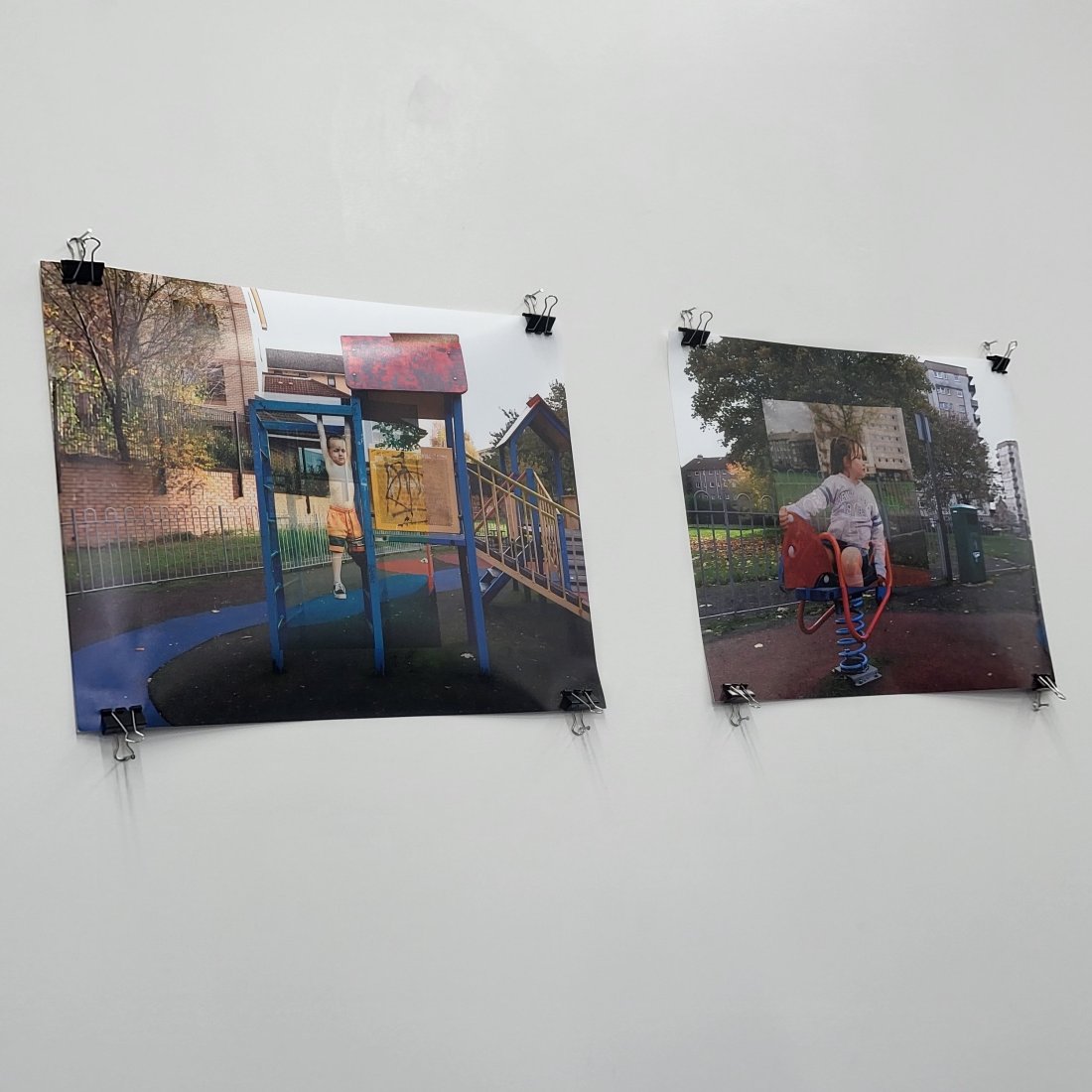
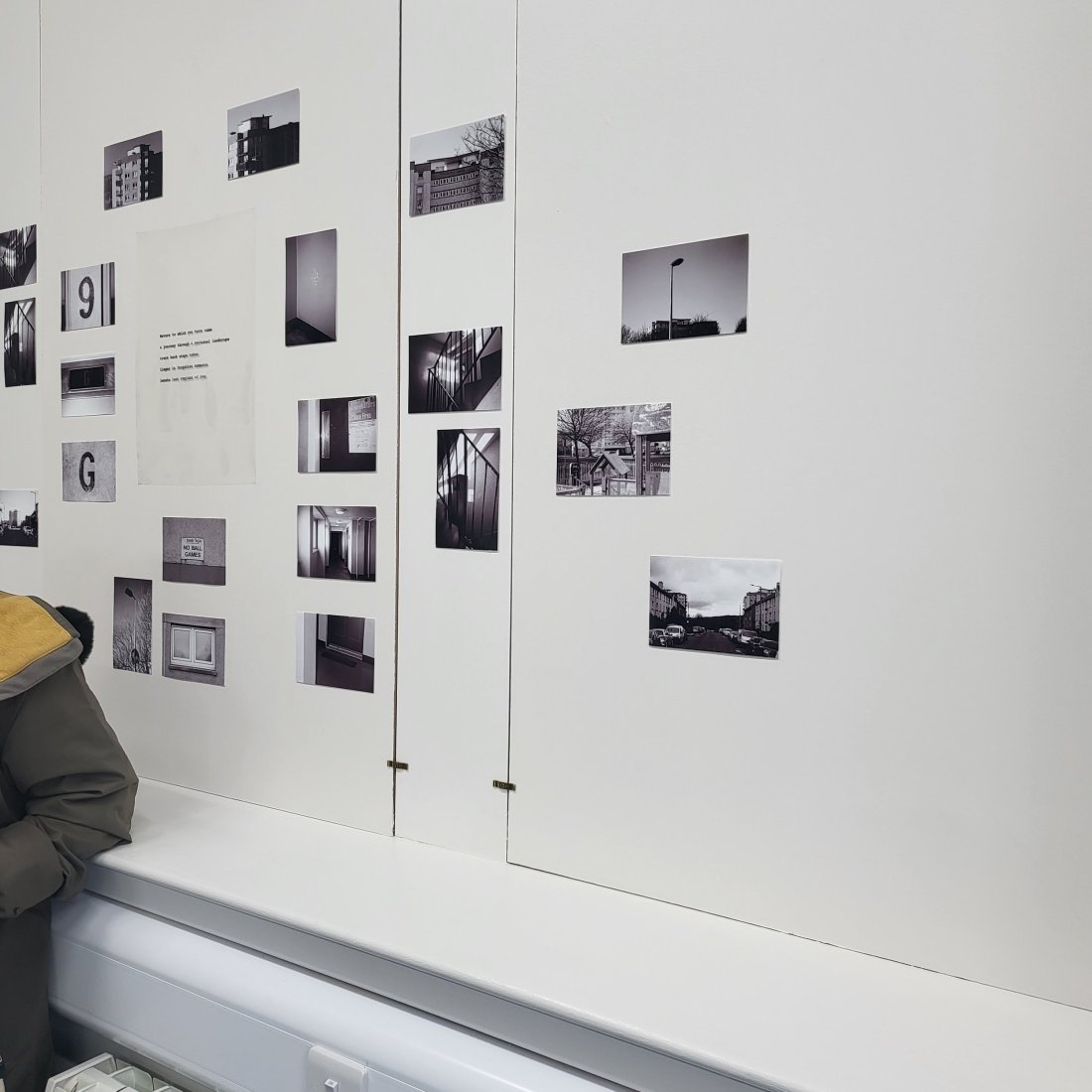
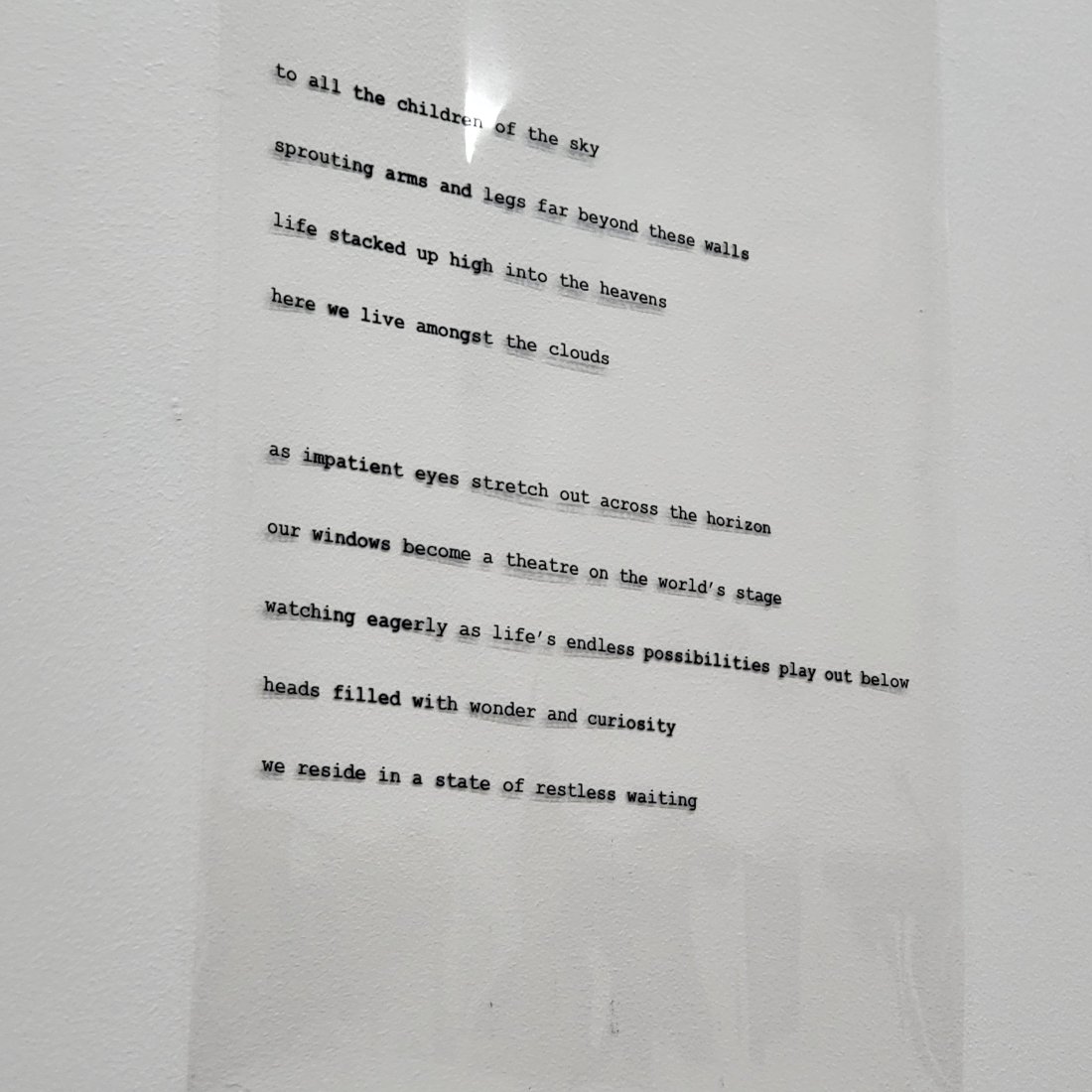
The video works exhibited at this exhibition where a powerful and insightful exploration of the experience of living and being brought up in a working-class community that has gradually been erased due to the wage inequality and the introduction of home ownership. As I reflect on the exhibition, I was struck with emotions of Sam’s understanding and sensitivity with which the work approached this subject matter, and the thought-provoking questions that the works raise about social and economic inequality.

One of the main aspects of the exhibition was the diversity of video works on display, which ranged from intimate, personal interview’s on the artist’s own experience as a child, and broader explorations of the social and economic forces at play in the community. Through the use of vivid imagery, powerful soundscapes, and evocative storytelling, the works offered a really rich and complex portrait of life in a community struggling to cope with the effects of wage inequality and a changing of the times.

As I moved through the exhibition, I was particularly struck by Sam’s ability to capture the often-overlooked nuances of daily life in a working-class community. Through her use of intimate, almost confessional footage that transported me to my own childhood being brought up on the various schemes of East Lothian, she offered a glimpse into the private worlds of her subjects with heart-felt interviews, illuminating the hopes, fears, and struggles that shaped their lives.

Yet, despite the deeply personal nature of the works, Sam has also skillfully contextualized the experience of her community within broader social and economic trends. Through her use of historical papers that she pulled from the city archives, historical footage of demolition, and interviews with locals, my interpretation is that she has made clear that their are larger forces at play in the erasure of working-class communities across the country and how so many of us feel left behind

Overall, the exhibition was incredibly insightful and an emotional powerhouse of exploration of an urgent social issue, offering both a deeply personal perspective and a broader, more systemic analysis. Through the careful attention to the experiences of those most affected by the inequality, it offers a poignant reminder of the human cost of economic injustice, and a call to action for those who would seek to address it.

Please do go give Sam a look over there is some amazing work being done.